

Introduction
Not having an oven, or simply not wanting to turn it on, should never mean a boring chicken dinner. Some of the best chicken breast recipes I know never go near an oven at all. They are made on the hob, in a pan, a pot, or a grill pan, and they are often faster, juicier, and more flavourful than their oven-baked cousins.
The reason is simple: a pan gives you direct heat and immediate feedback. You can see the colour developing, hear the sizzle, and adjust the heat in seconds. An oven, by contrast, is a closed box where chicken can quietly overcook while you are doing something else. Stovetop cooking keeps you close to the food, and chicken breast rewards that attention.
This guide collects the stovetop methods that work most reliably: pan-seared breasts with a quick sauce, sliced chicken stir-fried with vegetables, poached chicken for salads and sandwiches, and chicken simmered gently in a tomato or curry sauce. None of them needs an oven, a grill, or special equipment beyond a decent frying pan and a lid.
Whether your oven is broken, your kitchen is small, you are cooking in a rented flat, or you simply prefer the hob on a hot day, these recipes will serve you well. They are practical, weeknight-friendly, and flexible enough to adapt to whatever is in your fridge.
Why You Will Love This Recipe
Speed is the clearest advantage. A pan-seared chicken breast takes about twelve minutes, a stir-fry takes fifteen, and even a gentle simmer in sauce is done in half an hour. There is no ten-minute preheat, no waiting for the oven to come to temperature, and no hot kitchen on a summer evening.
Control is the second advantage. On the hob, you can check the chicken, taste the sauce, and fix a problem immediately. If the pan is too hot, turn it down. If the sauce is too thick, add a splash of stock. That responsiveness is especially valuable with chicken breast, which goes from perfect to dry in just a few minutes of extra cooking.
- No oven needed, just a hob, a pan, and a lid.
- Most recipes ready in 15 to 30 minutes.
- Juicier results, because you control the heat directly.
- One pan for most methods, so washing up stays light.
- Works in small kitchens, rentals, and hot weather.
Stovetop chicken also suits a wide range of cuisines. The same breast can become a lemon herb dinner, a soy and ginger stir-fry, a creamy garlic dish, or a tomato and olive simmer, simply by changing the sauce and the side. If you like this approach, our chicken recipes collection has more hob-friendly dinners to try.
Ingredients You Will Need
The base ingredients are the same across the methods, with the sauce ingredients changing per version. Start with good chicken breasts, evenly sized if possible, and season them well.
- 4 boneless, skinless chicken breasts (about 170g each)
- 1 teaspoon salt, plus more to taste
- 1/2 teaspoon black pepper
- 1 teaspoon paprika or garlic powder
- 2 tablespoons olive oil or vegetable oil
- For lemon herb: butter, garlic, lemon, stock, fresh parsley or thyme
- For stir-fry: soy sauce, ginger, garlic, mixed vegetables, sesame oil, rice
- For creamy garlic: butter, garlic, cream, Parmesan, spinach, stock
- For tomato simmer: tinned tomatoes, onion, garlic, oregano, olives, basil
- For poaching: stock or water, bay leaf, peppercorns, lemon slices, herbs
If your breasts are very thick, butterfly them or pound them gently to an even thickness. This is the single most useful preparation step for stovetop chicken. An uneven breast cooks unevenly, with the thin end drying out while the thick end is still pink. A few taps with a rolling pin solves the problem completely.
Choose a pan with a heavy base if you can. Thin pans develop hot spots that burn the chicken in one place and undercook it in another. A heavy frying pan or cast-iron skillet holds heat evenly, gives better colour, and makes a better pan sauce, because the golden bits on the base are more evenly browned.
How to Make Chicken Breast Recipes Without Oven
Pan-seared chicken is the foundation method, so learn it first. Pat the breasts dry, season both sides, and heat oil in a large pan over medium-high heat until it shimmers. Lay the chicken in, leaving space between pieces, and cook without moving for five to six minutes until deep golden underneath. Turn, reduce the heat slightly, and cook for another five minutes until the chicken reaches 74°C (165°F). Rest for five minutes before slicing.
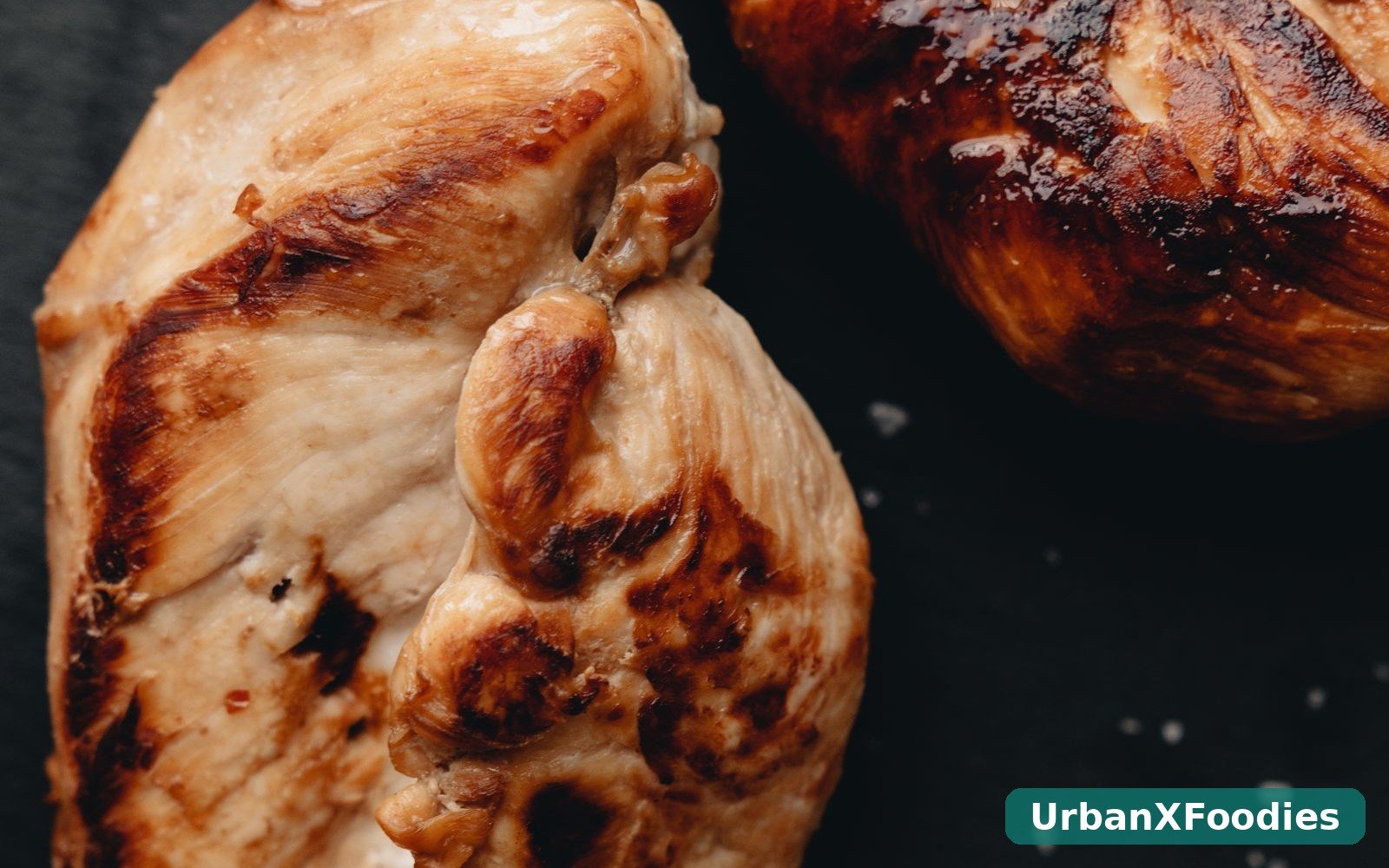
To make a lemon herb pan sauce, keep the same pan on medium heat, add a knob of butter and sliced garlic, and stir for thirty seconds. Pour in 120 ml of stock, scraping up the browned bits, then add lemon juice and herbs. Simmer for two minutes until slightly thickened, taste for salt, and spoon over the sliced chicken. This sauce takes three minutes and transforms a plain breast into a dinner you would serve to guests.
For a stir-fry, slice the raw breasts thinly across the grain, which keeps them tender. Heat oil in a large pan or wok until very hot, fry the chicken in a single layer for three to four minutes until just cooked, and remove it to a plate. Fry the vegetables in the same pan for three minutes, return the chicken with soy sauce, ginger, and garlic, and toss for two more minutes until everything is coated and piping hot. Serve immediately over rice or noodles, with sesame oil and spring onions on top.
For creamy garlic chicken, sear the breasts as above and set them aside. In the same pan, melt butter, soften garlic, pour in stock and cream, and simmer gently for three minutes. Stir in Parmesan and spinach, return the chicken to the pan, and simmer on low for five minutes until the sauce thickens and the chicken is hot through. Do not boil the cream hard, or it may split. For a tomato simmer, soften onion and garlic, add tinned tomatoes and oregano, simmer for ten minutes, then nestle the seared breasts into the sauce, cover, and cook on low for twelve minutes until cooked through.
Poaching is the gentlest method and the best for salads and sandwiches. Place the breasts in a pan, cover with stock or water, add a bay leaf, peppercorns, and lemon slices, and bring barely to a simmer. Cover, turn the heat to the lowest setting, and cook for fifteen to eighteen minutes without boiling. Check for 74°C (165°F), then rest in the liquid for ten minutes before slicing. The result is tender, moist chicken that shreds beautifully. Chicken breast is a lean protein that suits all these quick methods, and chicken breast offers a good overview of the cut and its cooking uses.
Whatever method you choose, resting matters. Five minutes of rest lets the juices settle, so they stay in the meat when you slice instead of running onto the board. It feels like a delay when you are hungry, but it is the difference between juicy and dry chicken, and it is worth every minute. The searing technique itself follows the principles of pan frying, where a hot pan, dry surface, and patience give you colour without burning.
Tips for Stovetop Chicken Breast
The most common mistake is cooking on heat that is too high for too long. A screaming hot pan is good for the first sear, but once the chicken is browned, medium heat finishes it more gently. If the pan starts smoking, turn it down; burnt oil tastes bitter and no sauce will hide it.
- Pound or butterfly thick breasts to an even thickness.
- Pat the chicken dry before it touches the pan.
- Do not move the chicken during the first sear.
- Use a thermometer for reliable, juicy results.
- Rest for five minutes before slicing, every time.
Another useful habit is to deglaze the pan. After searing, the browned bits stuck to the base are concentrated flavour. A splash of stock, wine, or even water, scraped up with a wooden spoon, becomes the base of a sauce in under a minute. Throwing that flavour away and starting a sauce in a clean pan is a missed opportunity.
Variations to Try
Once the basic sear is confident, the variations are endless. Try a honey and soy glaze, brushing the chicken with a mix of honey, soy sauce, and garlic in the last two minutes of cooking. Try a Cajun or smoked paprika rub for a bolder flavour, served with rice and a cooling yoghurt sauce. Try a mushroom and cream version, frying sliced mushrooms after the chicken and building the sauce around them.
For a lighter meal, slice pan-seared chicken over a grain bowl with quinoa, roasted vegetables, and a lemon dressing. For a family dinner, simmer the chicken in a mild curry sauce with coconut milk and serve with rice and naan. The method stays the same; only the sauce changes, which means you can learn one skill and eat well all week.
If you want a dedicated one-pan dinner without the oven, our chicken skillet recipes without oven expand on this idea with complete meals. And if you need a no-oven dinner for a crowd, the no-oven chicken dinner recipes made on the stovetop collection is built exactly for that.
Serving Ideas
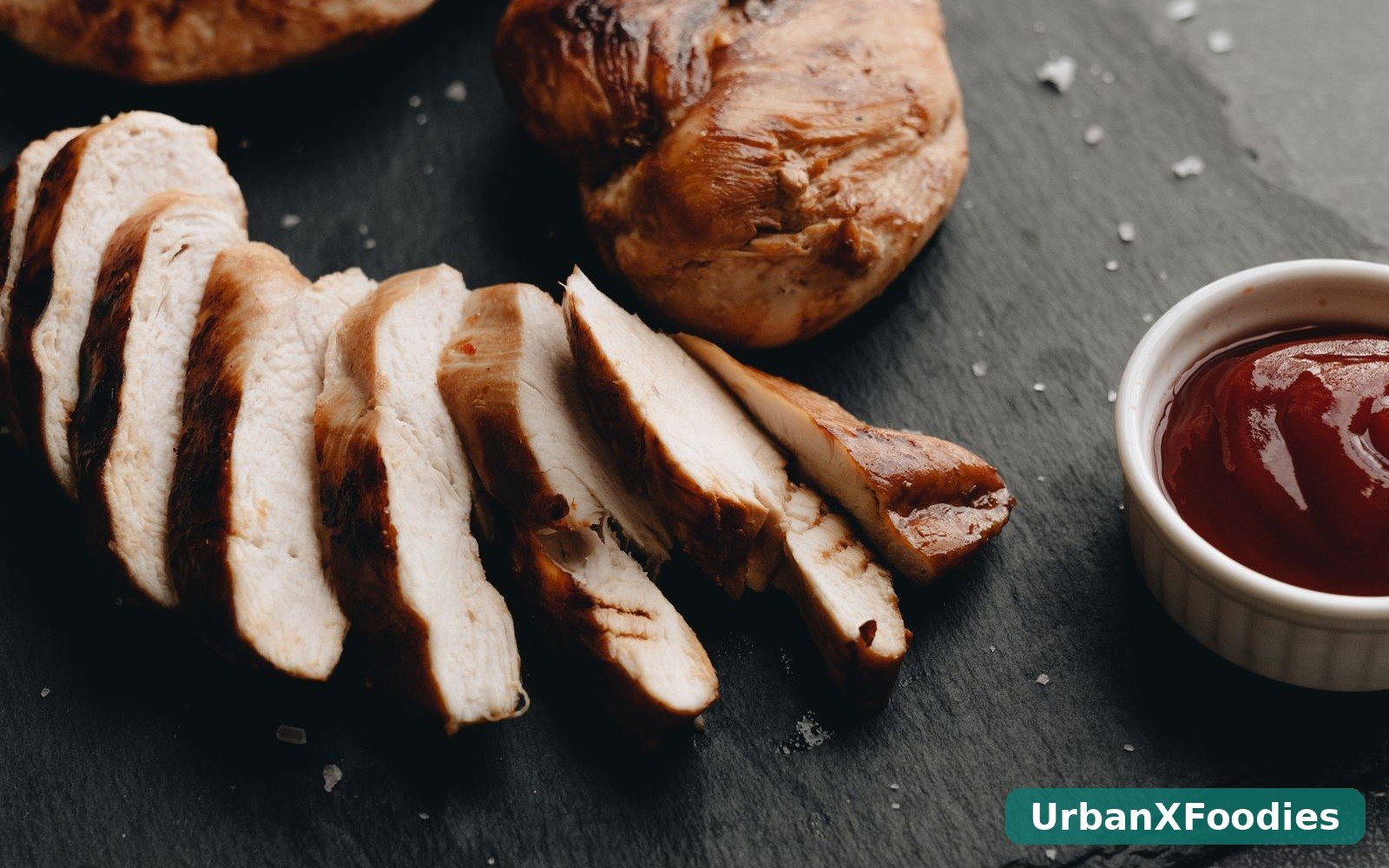
Pan-seared chicken with lemon sauce suits rice, buttered potatoes, or couscous, plus a green vegetable or salad. Stir-fried chicken is complete over rice or noodles, with extra vegetables on the side if you like a larger plate. Creamy garlic chicken loves pasta or mashed potatoes, which catch the sauce, while tomato-simmered chicken is wonderful with crusty bread for scooping.
Poached chicken is the most versatile of all. Slice it for salads, shred it for sandwiches and wraps, dice it for grain bowls, or serve it warm with a herb oil and new potatoes. Because it is mild, it takes on whatever dressing or sauce you pair it with, which makes it a useful fridge staple for two or three days.
For a complete weeknight plate, follow a simple formula: chicken, one starch, one green vegetable, and a sauce or dressing. That balance works for almost every stovetop method here, and it stops dinner from feeling either too heavy or too light. Browse our one-pan skillet ideas for more plates built on the same formula.
Storage and Make-Ahead
Cooked chicken breast keeps in the fridge for up to three days in a sealed container. Store it with a little sauce if you have it, which keeps it moist, or wrap it tightly if it is plain. Reheat gently in a covered pan with a splash of stock, until piping hot, rather than microwaving on high, which dries it out quickly.
Poached chicken freezes well for up to three months, especially if frozen in a little of its poaching liquid. Pan-seared chicken also freezes, though the crust softens on thawing; it is best used in saucy dishes after freezing. Thaw overnight in the fridge and use the same day.
You can prep ahead by seasoning the chicken in the morning and keeping it covered in the fridge, or by slicing it for a stir-fry and storing it covered until evening. Sauces can also be prepped: chop garlic, measure stock, and have herbs ready, so the cooking itself takes barely fifteen minutes when you get home.
Frequently Asked Questions
Can I cook chicken breast without an oven safely?
Yes, absolutely. The hob is a complete cooking method, not a compromise. As long as the chicken reaches 74°C (165°F) at its thickest part, with no pink meat and clear juices, it is safe to eat, however it was cooked.
How do I stop stovetop chicken drying out?
Use even thickness, do not overcook, and rest the meat for five minutes. A thermometer removes the guesswork. Also avoid cooking on very high heat for the whole time; sear hot, then finish on medium heat.
What pan is best for chicken breast?
A heavy-based frying pan or cast-iron skillet is ideal, because it holds heat evenly and browns well. A non-stick pan also works, though it gives slightly less colour. Avoid very thin pans, which develop hot spots and burn easily.
Can I use frozen chicken breasts on the hob?
Thaw them fully in the fridge first, ideally overnight. Cooking from frozen on the hob gives uneven results, with the outside overcooked before the centre is safe. Once thawed, pat dry and cook as written.
What is the quickest no-oven chicken dinner?
A stir-fry is usually fastest, at about fifteen minutes from chopping to plate, because the chicken is sliced thin and cooks quickly. Pan-seared breasts with a simple pan sauce are a close second, at about twenty minutes including resting.


Pingback: Easy Chicken Recipes Without Breading: Simple, Delicious Meals for Any Day – UrbanXFoodies
Pingback: Chicken Skillet Recipes Without Oven: Easy One-Pan Meals for Busy Days – UrbanXFoodies