
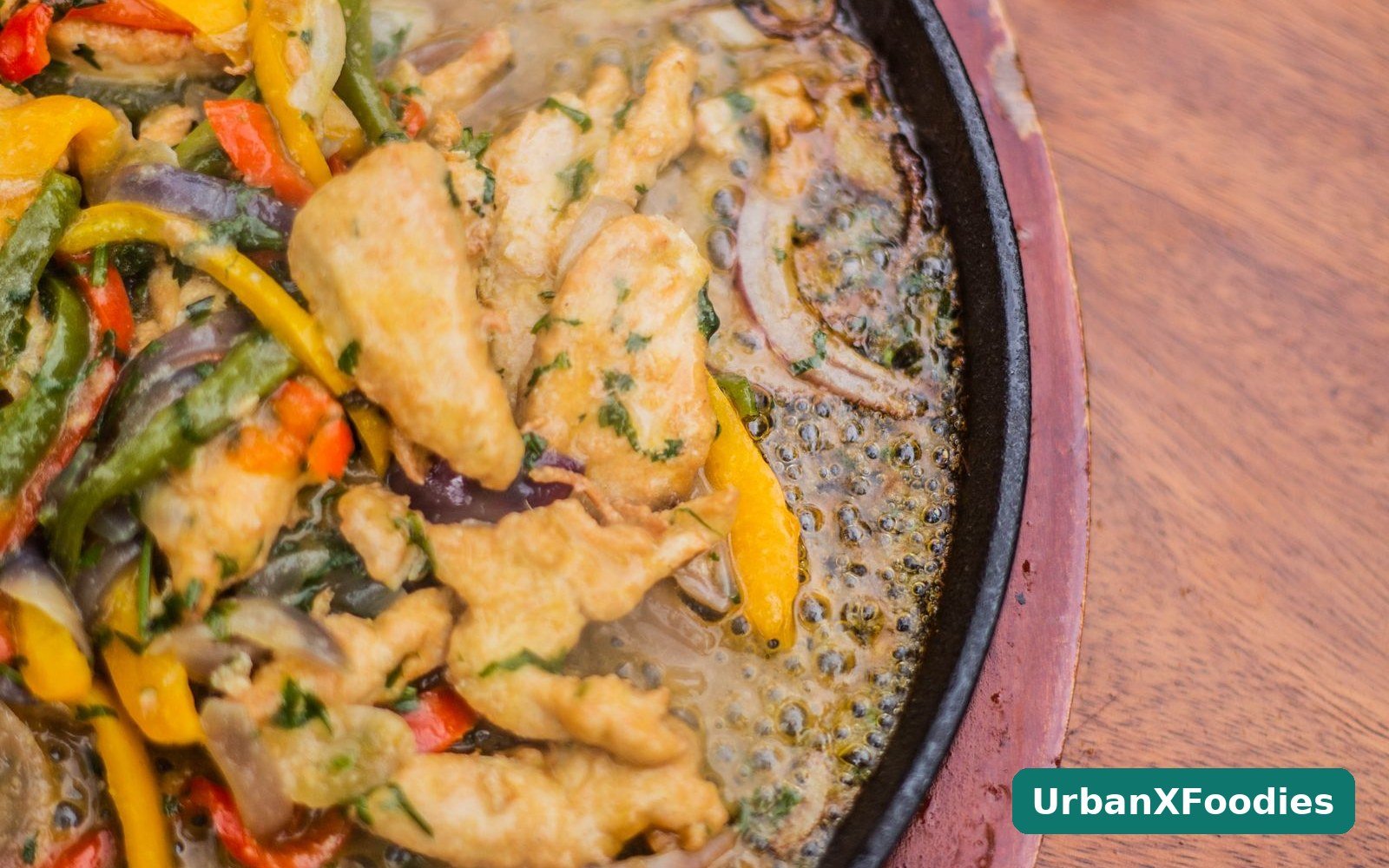
Introduction
There is a particular kind of tired that only hits at six o’clock on a weekday. You are home, you are hungry, the fridge looks uninspiring, and the idea of a trip to the shop feels like too much. That is exactly when pantry chicken recipes earn their place in your life. With a few chicken breasts or thighs, a tin of tomatoes, some pasta or rice, and the spices you already own, you can put a proper dinner on the table without a plan, without a long list, and without a pile of washing up.
I have cooked this way for years, and I can tell you honestly that some of the best meals in our house started with the words “what have we actually got?” A packet of chicken, a tin of chickpeas, a jar of passata, a splash of cream or a spoonful of mustard — these are not glamorous ingredients, but they are reliable, and in the right combination they turn into something you would happily serve to friends. The trick is not having a fancier pantry. It is knowing a handful of methods that work every time: sear the chicken well, build flavour in the same pan, and finish with something fresh, like lemon, herbs, or a knob of butter.
This guide brings all of that together. You will find one core method for quick pantry chicken, plus the variations I reach for most often, from a creamy garlic version to a tomato and herb skillet that tastes like it took far longer than twenty-five minutes. Nothing here needs specialist equipment or ingredients you have to hunt down. If you keep a reasonably stocked cupboard, you are already most of the way there, and if you are starting from scratch, the pantry list below will set you up for dozens of dinners, not just one.
Why You Will Love This Recipe
First, it is fast in a way that actually matters. The chicken cooks in about twelve minutes, the sauce comes together while it rests, and the whole thing is ready in under half an hour. That is quicker than waiting for a takeaway, and it costs a fraction of the price, which is no small thing when you are feeding a family several nights a week.
Second, it is forgiving. Pantry cooking is not about precision; it is about using what is there. No cream? Use a spoonful of cream cheese or a splash of milk with a little butter. No fresh herbs? Dried oregano or Italian seasoning does the job. The chicken itself is equally flexible — breasts, thighs, or even leftover cooked chicken all work, and you will find notes for each in the variations section. If you are building up your repertoire of chicken recipes, this is a brilliant place to start, because once you know the method, you can change the sauce a dozen ways and never feel bored.
Third, and most importantly, it tastes like a real dinner. Too many quick meals feel like a compromise, something you eat standing up while you sort out tomorrow. This is not one of those. A golden, well-seasoned piece of chicken in a sauce made from tinned tomatoes, garlic, and a good glug of olive oil, served over rice or with crusty bread, is the kind of food people ask for again. It is simple, yes, but simple done well is what home cooking is supposed to be.
Ingredients You Will Need
For the core pantry chicken, serving four, you will need:
- 600g boneless, skinless chicken breasts or thighs, cut into even strips or chunks
- 2 tablespoons olive oil
- 1 onion, finely chopped
- 3 cloves of garlic, sliced or crushed
- 1 tin (400g) chopped tomatoes
- 1 tablespoon tomato purée
- 1 teaspoon dried oregano or Italian seasoning
- 1 teaspoon smoked paprika
- Salt and freshly ground black pepper
- A pinch of sugar, to balance the tomatoes
- A handful of fresh basil or parsley, if you have it
- Rice, pasta, or crusty bread, to serve
For the creamy garlic variation, swap the tomatoes for 200ml double cream, a good handful of grated Parmesan, and an extra clove of garlic. For the lemon and herb version, use chicken stock instead of tomatoes, plus the zest and juice of a lemon and a generous handful of chopped parsley. The point is that the base stays the same; only the finishing sauce changes, which is why this recipe is so useful on nights when you cannot decide what you fancy.
A word on the chicken itself. Thighs are more forgiving than breasts because they stay juicy even if you overcook them by a minute or two, and they are usually cheaper. Breasts work beautifully too, provided you do not slice them too thin and you let them rest before cutting. Whichever you choose, pat the pieces dry with kitchen paper before they go in the pan — dry chicken browns, wet chicken steams, and browning is where most of the flavour comes from.
How to Make Quick Pantry Chicken Recipes for Dinner
Start by getting everything ready before the pan goes on the heat. Chop the onion, slice the garlic, open the tin of tomatoes, and measure out your spices. Pantry cooking moves quickly once it starts, and you do not want to be hunting for the paprika while the garlic is burning. Season the chicken generously with salt, pepper, and the smoked paprika, and toss it lightly so every piece is coated.
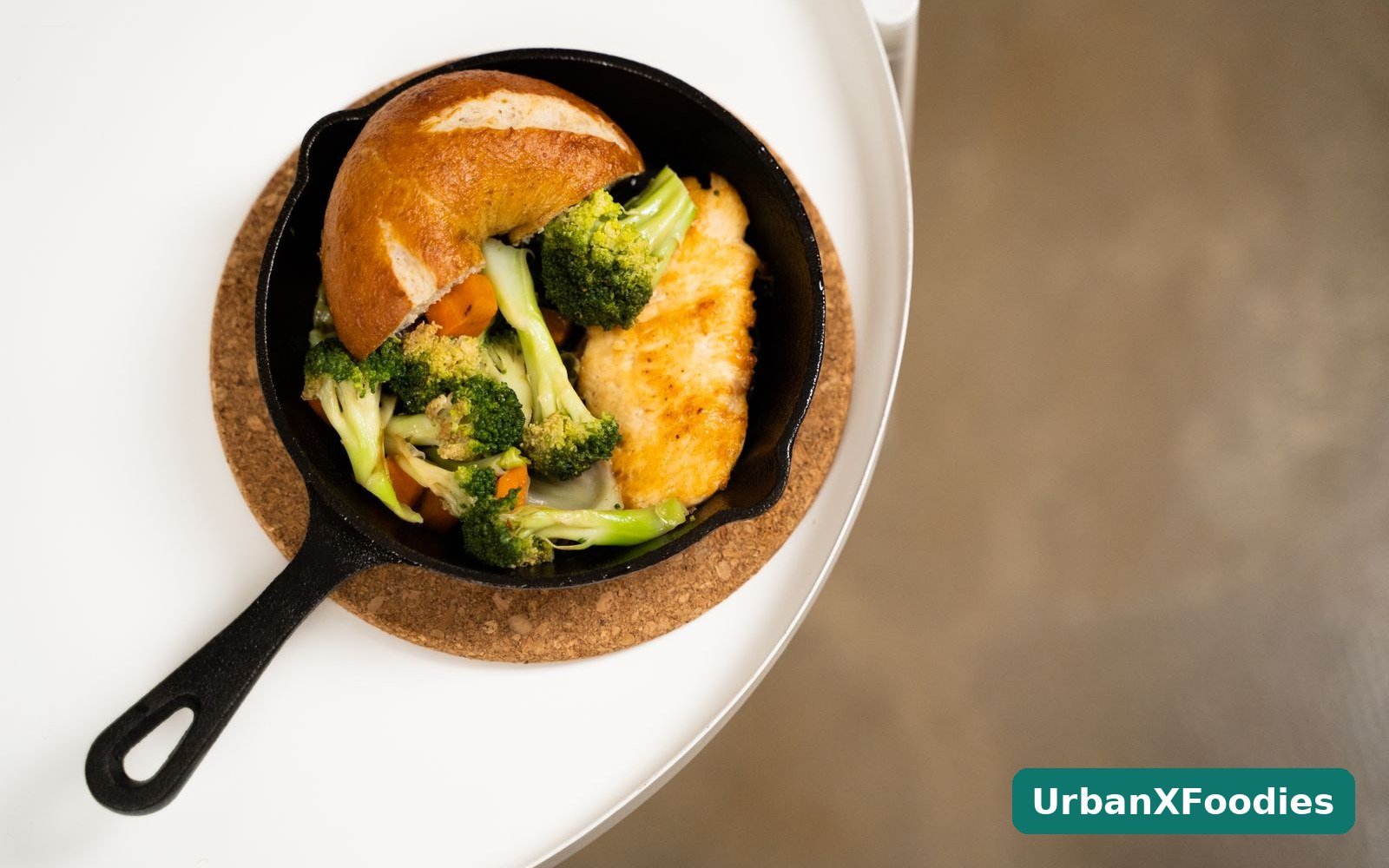
Heat the olive oil in a large frying pan or skillet over a medium-high heat until it shimmers. Add the chicken in a single layer, leaving space between the pieces, and leave it alone for three to four minutes. This is the hardest part for impatient cooks, myself included, but resist the urge to stir. That undisturbed contact with the hot pan is what gives you a golden crust. Turn the pieces and cook for another three minutes until they are browned on both sides and cooked through. If you are unsure, cut the thickest piece open — there should be no pink, and the juices should run clear. For a fuller explanation of safe cooking, the chicken breast guide on Wikipedia is a useful reference.
Lift the chicken onto a plate and set it aside. Do not wash the pan. Those browned bits stuck to the bottom are pure flavour, and the sauce is going to lift them right off. Turn the heat down to medium, add a touch more oil if the pan looks dry, and cook the onion for four to five minutes until soft and sweet. Add the garlic and cook for just thirty seconds — garlic burns quickly and turns bitter, so keep it moving and have the tomatoes ready.
Stir in the tomato purée and cook it for a minute until it darkens slightly, then pour in the tinned tomatoes, the oregano, and the pinch of sugar. Scrape the bottom of the pan as you stir, and let the sauce simmer for eight to ten minutes until it thickens and tastes rounded rather than sharp. Season it properly at this point; tinned tomatoes vary, and a sauce that is under-seasoned will taste flat no matter how good the chicken is.
Return the chicken to the pan with any juices from the plate, and simmer gently for three to four minutes so the flavours come together. If the sauce feels too thick, loosen it with a splash of water or chicken stock. Taste once more, adjust the salt, and finish with torn basil or parsley and a drizzle of good olive oil. Serve it over rice, tossed through pasta, or with bread for mopping up the sauce, and dinner is done.
If you are making the creamy version, follow the same steps up to the onion and garlic, then pour in the cream instead of the tomatoes, simmer for five minutes until slightly thickened, and stir in the Parmesan off the heat so it melts smoothly. For the lemon version, deglaze the pan with stock, add the lemon zest and juice, and finish with butter and parsley. Both are ready in about the same time, and both are worth adding to your regular rotation alongside other one-pan skillet meals for busy evenings.
Tips for the Best Pantry Chicken
Do not crowd the pan. If the chicken pieces are packed together, they will steam instead of browning, and you will lose the golden crust that makes this dish so good. Cook in two batches if your pan is small; it only adds a few minutes and the difference is enormous.
Season in layers, not all at once. Salt the chicken before cooking, season the sauce as it simmers, and taste again at the end. Each layer builds on the last, and the final dish will taste properly seasoned rather than just salty on the surface.
Keep your pantry genuinely stocked, not aspirationally stocked. The items that actually get used are tinned tomatoes, tomato purée, chicken stock cubes, dried herbs, garlic, onions, pasta, rice, and two or three sauces you love, like soy sauce, mustard, or a jar of pesto. Buy those in quantity, and you will rarely be stuck. A similar approach works for other quick ideas, including easy chicken dinners built from pantry ingredients, where the same cupboard staples do the heavy lifting.
Let the chicken rest. Even five minutes on the plate while you make the sauce makes the meat juicier and more tender. Cut into it too soon and the juices run out onto the board instead of staying where they belong.
Variations to Try
The tomato and herb version above is the starting point, but the method is endlessly adaptable. For a Mediterranean feel, stir in a handful of olives, a tin of chickpeas, and a crumbling of feta at the end. For something with a bit of warmth, add a teaspoon of cumin and a pinch of chilli flakes with the paprika, and finish with a squeeze of lemon and a dollop of yoghurt. For a richer, autumnal dinner, add sliced mushrooms with the onion and a splash of cream to the tomato sauce.
Leftover cooked chicken is another gift here. Shred it, warm it through in the sauce for just a few minutes, and you have dinner in fifteen minutes flat. If you often have roast chicken left over, it is worth keeping a few simple chicken dinner ideas for busy nights in mind so nothing goes to waste. Similarly, frozen vegetables can be tipped straight into the sauce — peas, sweetcorn, and mixed vegetables all work — which makes this a genuinely useful recipe for the nights when even the fresh produce has run out.
For families with mixed tastes, serve the sauce on the side or keep one portion plain before adding chilli or olives. The chicken itself is mild and crowd-pleasing, so it adapts well, and children tend to like the creamy version best, especially tossed through pasta with plenty of Parmesan.
Serving Ideas

How you serve this depends on the night you are having. On a proper sit-down evening, rice or buttered pasta with a green salad and crusty bread feels complete. On a rushed night, a pile of warm flatbreads and a bowl of the chicken in its sauce is just as satisfying and far less formal. A simple cucumber and tomato salad with lemon and olive oil cuts through the richness of the creamy version beautifully, and roasted or steamed broccoli is a natural partner for the tomato version.
If you are cooking for guests, double the recipe and serve it family-style in the pan it was cooked in, with bowls of rice, salad, and bread on the table. There is something generous and relaxed about that kind of serving, and it means you are not stuck in the kitchen plating up while everyone else is eating. A glass of something cold, a scattering of fresh herbs, and dinner feels like an occasion even though it took half an hour.
Storage and Make-Ahead
Pantry chicken keeps well, which is part of its charm. Store leftovers in an airtight container in the fridge for up to three days, and reheat gently in a pan with a splash of water or stock so the sauce loosens up again. It also freezes well for up to three months; cool it completely, portion it into containers, and defrost overnight in the fridge before reheating until piping hot throughout.
You can also get ahead by preparing the sauce base in advance. Cook the onion, garlic, and tomatoes, cool, and refrigerate for up to three days, then simply sear fresh chicken and finish it in the reheated sauce. That turns a thirty-minute dinner into a fifteen-minute one, which on a truly chaotic evening is the difference between cooking and ordering in. For more inspiration on cooking from what you already have, the BBC Good Food chicken recipes collection is well worth browsing when you want to branch out.
Frequently Asked Questions
Can I use frozen chicken for pantry chicken recipes?
Yes, but defrost it fully first, ideally overnight in the fridge, and pat it dry before cooking. Cooking from frozen in a pan leads to uneven results, with the outside overcooked before the middle is safe to eat. Once defrosted, it behaves exactly like fresh chicken.
What is the best cut of chicken for quick pantry dinners?
Boneless thighs are the most forgiving because they stay juicy and are hard to dry out, but breasts work well if you do not overcook them. Cut either into even pieces so they cook at the same rate, and always let the meat rest for a few minutes before serving.
How do I stop the tomato sauce tasting sharp?
A pinch of sugar helps, but the real fix is time. Let the sauce simmer for at least eight minutes so the acidity mellows, and finish with a knob of butter or a drizzle of olive oil to round it out. If it is still sharp, a little more salt and a splash of cream will soften it.
Can I make this recipe without tomatoes?
Absolutely. The creamy garlic version and the lemon and stock version in the method section use no tomatoes at all, and both are just as quick. You can also use a jar of passata, a tin of coconut milk with curry spices, or simply chicken stock with mustard and herbs.
What should I serve with pantry chicken?
Rice, pasta, mashed potatoes, or crusty bread all work, depending on the sauce. Add a simple salad or steamed vegetables and you have a complete meal. For the creamy version, pasta is the natural choice; for the tomato version, rice or bread for the sauce is hard to beat.


Pingback: Easy Chicken Dinner With Pantry Ingredients: Simple, Flavorful Meals for Busy Nights – UrbanXFoodies
Pingback: Quick Chicken Dinner With Frozen Vegetables: Easy, Delicious, and Ready in No Time – UrbanXFoodies