
Introduction
There is a particular kind of quiet satisfaction in opening the fridge the morning after a roast or a big chicken dinner and finding a container of leftover chicken breast waiting there. It is not glamorous, and it does not look like much, but it is the start of at least two or three more good meals, if you know how to use it well. Too often, though, leftover chicken gets reheated until it is dry, or pushed to the back of the fridge until it is too late, and that feels like a waste of good food and good cooking.
I learned to love leftover chicken properly when I was cooking on a tight budget and a tighter schedule, and a single roast chicken had to stretch across several days without anyone feeling as though they were eating the same dinner again. The secret, I discovered, is to stop thinking of leftover chicken as reheated chicken. Instead, think of it as an ingredient, something to slice, shred, or chop and fold into a new dish where it brings protein and flavour, but where the sauce, the vegetables, and the seasoning do the fresh work. A wrap, a salad, a pasta, or a rice bowl made this way does not taste like yesterday at all.
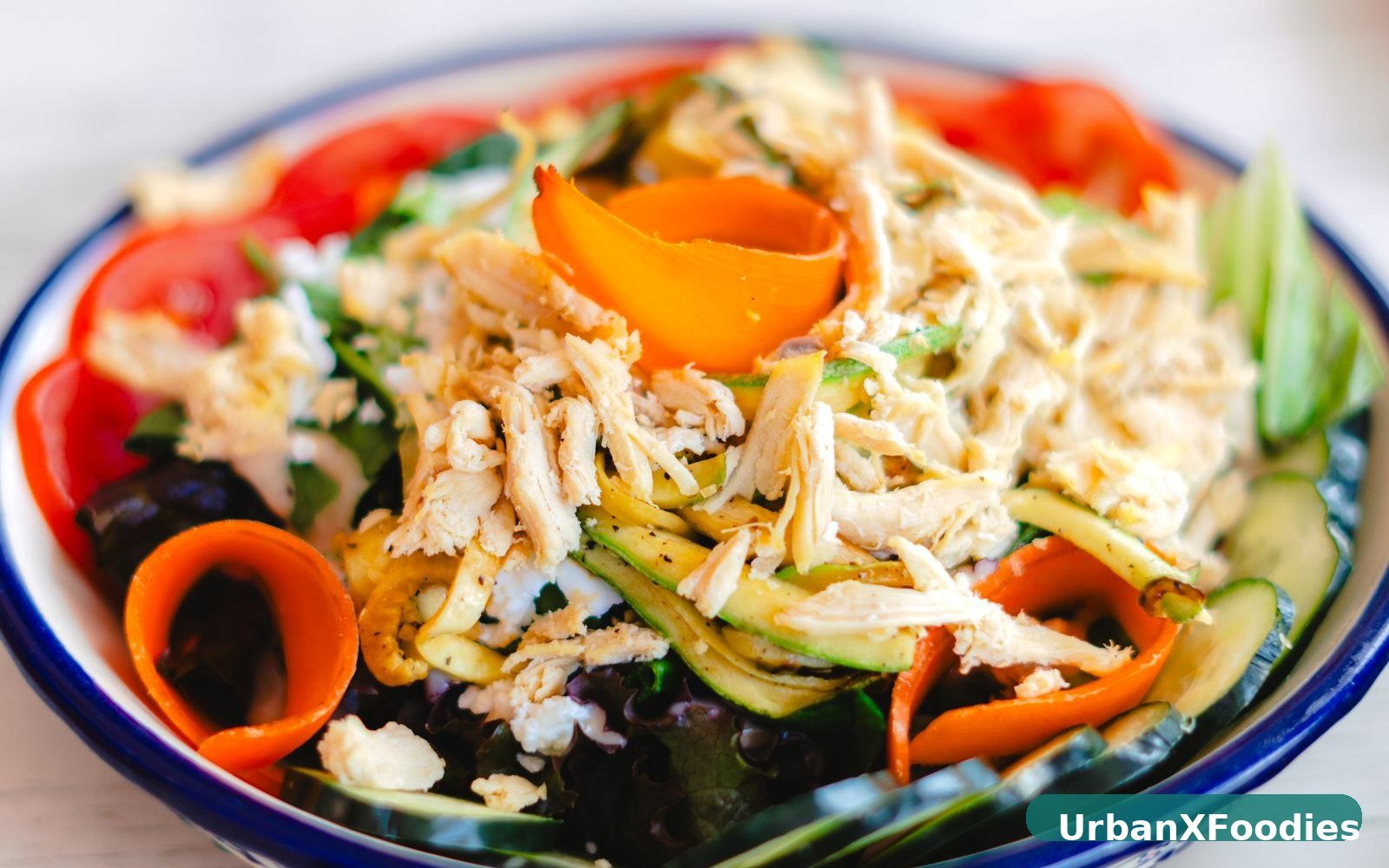
This guide is built around that shift in thinking. I am sharing a base method for turning leftover chicken breast into a quick, tasty meal in under twenty minutes, plus a whole set of ideas for using it across the week, from sandwiches and salads to soups and fried rice. You will also find practical advice on storing leftover chicken safely, reheating it without drying it out, and seasoning it so it tastes fresh rather than tired. The goal is simple: no leftover chicken should ever feel like a second-class dinner again.
It helps to start with chicken that was cooked well in the first place, and to store it properly from the start. Cool it quickly, keep it in a sealed container, and use it within a few days, and you will have a head start on every meal in this guide. If you are collecting chicken recipes that make busy days easier, leftover chicken is one of the smartest categories to master, because the hardest part, cooking the chicken, is already done.
Why You Will Love This Recipe
The first reason is speed. Because the chicken is already cooked, most of these meals come together in fifteen to twenty minutes, which is faster than ordering takeaway and waiting for it to arrive. You are really just assembling, warming through, and seasoning, rather than cooking from scratch, and on a busy evening that difference matters enormously. It is the closest thing to a shortcut that still tastes like home cooking.
The second reason is that it saves money and reduces waste. Chicken breast is not the cheapest ingredient, and throwing away even a portion feels wrong when it could have become lunch the next day. Using leftovers well means you buy less, waste less, and get more meals from the same shopping, which is good for the budget and good for the planet. It also means fewer frantic trips to the shop, because the fridge already holds the main ingredient for tomorrow’s dinner.
The third reason is variety. Leftover chicken is a blank canvas, and the same container can become a Mediterranean salad one day, a spicy wrap the next, and a comforting pasta the day after, without anyone feeling bored. That flexibility is what makes it so useful for families, where different people want different things, and for anyone who cooks for one or two and does not want to eat the same plate three nights in a row. It pairs naturally with other leftover rotisserie chicken ideas, which follow the same principle of making something new from something already cooked.
- Ready in 15 to 20 minutes, because the chicken is already cooked.
- Saves money and cuts waste by turning one meal into two or three.
- Endlessly flexible, from salads and wraps to pasta, soup, and rice bowls.
- Perfect for lunches, light dinners, and lunchboxes.
- Easy to season fresh, so it never tastes like reheated leftovers.
Ingredients You Will Need
The base recipe below is a warm chicken and vegetable skillet with a lemon garlic sauce, which is my most-used leftover chicken dinner. The ingredient list is short, and most items are things you will already have. Amounts make two to three generous servings, depending on how much chicken you have, and you can adjust freely. The key is to have enough sauce and fresh flavour to make the chicken taste newly cooked.
- 400 grams cooked chicken breast, sliced or shredded
- 2 tablespoons olive oil
- 1 onion or 2 shallots, thinly sliced
- 2 garlic cloves, minced
- 1 red pepper, sliced, or a handful of frozen peppers
- 150 grams cherry tomatoes, halved, or a tin of chopped tomatoes
- 100 grams spinach or a handful of frozen peas
- Juice and zest of half a lemon
- 1 teaspoon Dijon mustard, optional, for depth
- 80 millilitres chicken stock or water, for loosening the sauce
- Salt and black pepper, to taste
- Fresh parsley or basil, chopped, to finish
- Rice, pasta, wraps, or crusty bread, to serve
If your leftover chicken is already sliced, keep the slices fairly thick so they do not fall apart when warmed. If it is in larger pieces, shredding it with two forks gives a texture that works beautifully in wraps and rice bowls, while diced chicken is best for pasta and salads. Whichever shape you choose, bring the chicken out of the fridge ten minutes before cooking so it is not ice cold when it goes into the pan, and keep the warming time short to protect its moisture.
How to Make Easy Meals With Leftover Chicken Breast
The method is deliberately gentle. Leftover chicken breast is already cooked, so the aim is to warm it through in a flavourful sauce, not to cook it again. High heat and long cooking are the enemies here, because they squeeze out the last of the moisture and leave you with dry, stringy meat. A medium pan, a quick sauce, and a short warming time will give you chicken that tastes juicy and fresh, even though it was cooked yesterday.

- Warm the pan and aromatics. Heat the olive oil in a large skillet over medium heat. Add the onion and pepper and cook for three to four minutes until softened, then add the garlic and stir for thirty seconds until fragrant.
- Build a quick sauce. Add the tomatoes and chicken stock, and simmer for three to four minutes until the tomatoes soften and the sauce thickens slightly. Stir in the mustard if using, and season with salt and pepper.
- Add the chicken gently. Lower the heat to medium-low, add the sliced or shredded chicken, and spoon the sauce over it. Warm through for three to four minutes only, turning once, until the chicken is piping hot. Do not let it boil hard.
- Add greens and lemon. Stir in the spinach or peas and cook for one to two minutes until wilted or heated through. Take the pan off the heat and add the lemon juice and zest, which brightens the whole dish instantly.
- Rest briefly and serve. Let the pan stand for two minutes, scatter over fresh herbs, and serve over rice or pasta, or spoon into warm wraps with lettuce and a little yogurt.
That short warming time is the whole trick. If you leave leftover chicken simmering for fifteen minutes, it will dry out no matter how good the sauce is, but three or four minutes in a warm, flavourful sauce is enough to heat it safely while keeping it tender. Always check that reheated chicken is piping hot throughout, and only reheat it once. For safe storage times and reheating guidance, food safety is a useful reference, and the BBC Good Food leftover chicken collection has many more ideas in the same spirit.
Tips for Leftover Chicken That Tastes Fresh
Season it again. Leftover chicken often tastes flat because the original seasoning has mellowed in the fridge, so a fresh squeeze of lemon, a pinch of salt, some chopped herbs, or a spoonful of mustard or chilli sauce will wake it up immediately. Acid is particularly powerful here: lemon, vinegar, or even a spoonful of pickle brine can make yesterday’s chicken taste like today’s cooking.
Add moisture, but do not drown it. A splash of stock, a spoonful of yogurt, or a light sauce is enough to keep the chicken moist while it warms, but too much liquid will make it soggy. The aim is a coating, not a soup, unless soup is actually what you are making. Similarly, slice or shred the chicken just before using it, rather than storing it already shredded, as larger pieces retain moisture better in the fridge.
Store it well from the start. Cool cooked chicken within two hours, keep it in a sealed container in the fridge, and use it within three to four days. If you know you will not use it in time, freeze it in portions on the day you cook it, and thaw it overnight in the fridge when you need it. Good storage is what makes all the difference between leftovers you look forward to and leftovers you avoid. This is the same practical thinking behind quick meals with ingredients you already have, where a well-stocked fridge does half the work.
Variations to Try Next
For a chicken Caesar-style salad, toss sliced leftover chicken with romaine lettuce, shaved parmesan, croutons, and a lemony dressing, and serve with crusty bread. It takes ten minutes and feels like a proper lunch rather than a leftover. For a spicy wrap, warm the chicken with a little smoked paprika and chilli, then wrap it with lettuce, tomato, red onion, and yogurt or sour cream in a soft tortilla.
For a comforting pasta, toss the warmed chicken with cooked penne, a splash of cream, garlic, spinach, and parmesan, and finish with black pepper and lemon zest. For fried rice, stir-fry the chicken with cold leftover rice, frozen peas, spring onions, soy sauce, and a beaten egg, which is one of the fastest dinners I know. And for a simple soup, simmer the chicken with stock, carrots, celery, noodles, and herbs for ten minutes, and you have a light, warming meal that tastes completely fresh.
When you want a lighter plate to go with it, vegetable side dishes like a crunchy salad, roasted carrots, or buttered green beans round out the meal without adding much work.
Serving Ideas
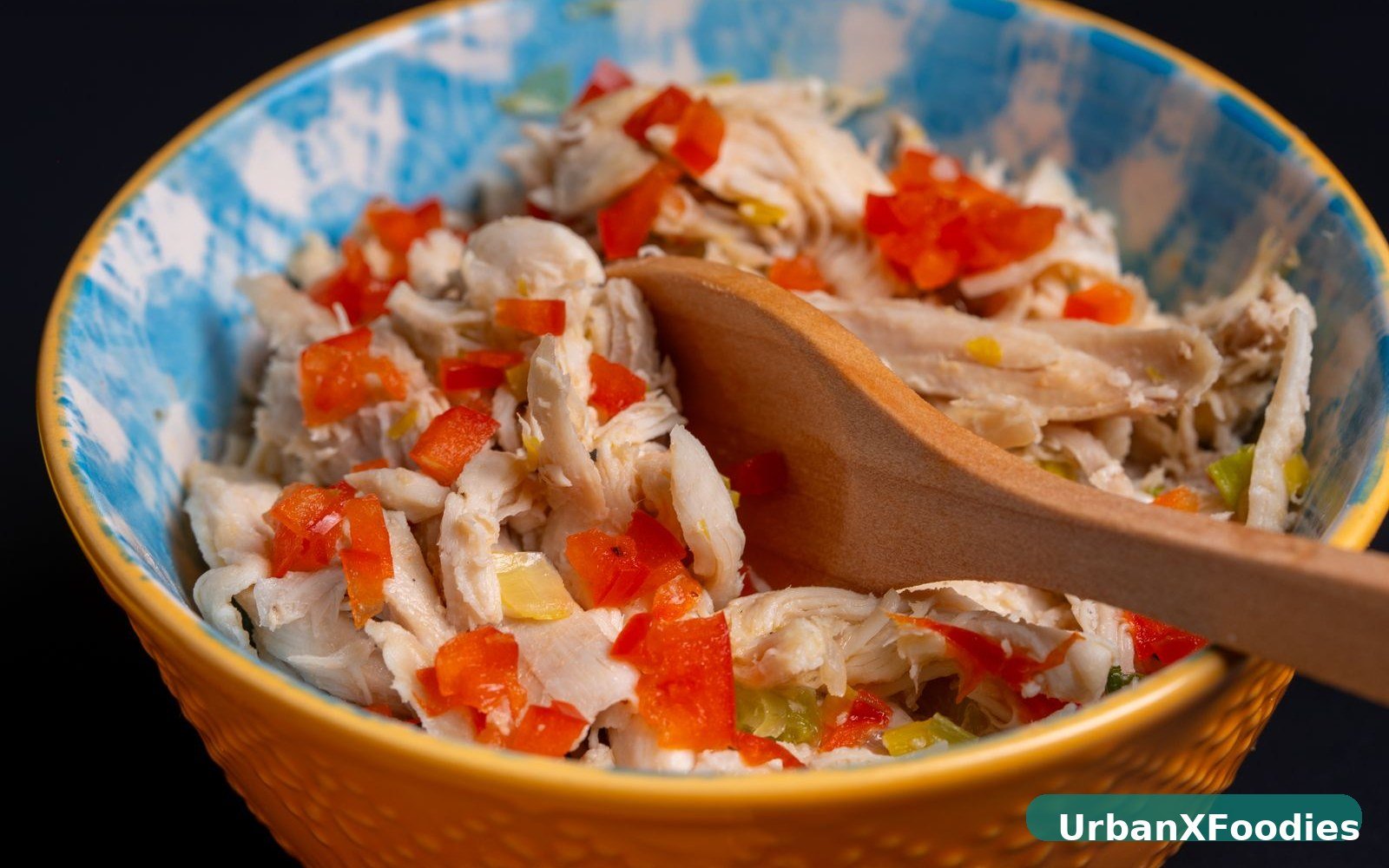
The base skillet is wonderful over rice, but it is equally good spooned into wraps, served over pasta, or piled onto toasted bread for an open sandwich. For lunch, leftover chicken shines in sandwiches with good bread, lettuce, tomato, and a smear of mustard mayonnaise, or in a grain bowl with rice, roasted vegetables, and a tahini or yogurt dressing. Children often prefer it simply, sliced over pasta with a little butter and parmesan, or in a wrap they can hold themselves.
For a slightly more special dinner, serve the warmed chicken over creamy mashed potatoes with the lemon sauce spooned over the top, or alongside a tray of roasted vegetables and a green salad. The chicken itself is mild, so it welcomes bold partners: pickled onions, chilli oil, fresh herbs, or a sharp cheese all lift it without any extra cooking. Keep a few of those toppings in the fridge and leftover chicken dinners will never feel repetitive.
Storage and Make-Ahead Tips
Cooked chicken breast keeps in the fridge for three to four days in a sealed container, and it is best stored unsliced and unsauced if you can manage it, so you can decide later how to use it. Always cool it within two hours of cooking, keep it on a shelf where it will not drip onto other food, and reheat it only once until piping hot. If you freeze it, wrap portions tightly, label with the date, and use within three months for the best texture.
You can also plan for leftovers deliberately, which is one of my favourite kitchen habits. When you cook chicken breasts for dinner, cook two extra pieces, cool them properly, and store them for the next day’s lunch or dinner. That small act of foresight gives you a head start on two meals for the price of one cooking session, and it turns leftover chicken from an accident into a plan. Just remember to use the stored chicken within the safe window, and to season it freshly when you do.
Frequently Asked Questions
How long does leftover chicken breast last in the fridge?
Cooked chicken breast keeps safely for three to four days in a sealed container in the fridge, provided it was cooled within two hours of cooking. Use it within that window, reheat it only once, and make sure it is piping hot throughout before serving. If you will not use it in time, freeze it on the day you cook it.
How do I reheat leftover chicken without drying it out?
Warm it gently in a covered pan with a splash of stock, water, or sauce, over medium-low heat, for just a few minutes until piping hot. Avoid high heat and long cooking, which squeeze out moisture. Adding a squeeze of lemon or fresh herbs at the end also helps it taste fresh rather than reheated.
Can I freeze leftover chicken breast?
Yes, and it freezes well for up to three months if wrapped tightly in portions. Cool it completely first, press out excess air, and label the bag with the date. Thaw overnight in the fridge before using, and do not refreeze chicken that has already been thawed and reheated.
Is it safe to eat leftover chicken cold?
Yes, as long as it was stored properly and is within the three to four day window, cold sliced chicken is perfectly safe and delicious in salads and sandwiches. Keep it refrigerated until you serve it, and do not leave it at room temperature for more than two hours.
What is the best way to use a small amount of leftover chicken?
Shred it and fold it into something where it is not the only ingredient, such as fried rice, soup, pasta, or a wrap. A small amount stretches much further that way, and the sauce and vegetables carry the meal, so a single breast can easily feed two people for lunch.


Pingback: Easy Meals With Leftover Rotisserie Chicken: Delicious Ideas for Busy Weeknights – UrbanXFoodies
Pingback: Easy Chicken and Rice Skillet Recipe – UrbanXFoodies