
Introduction
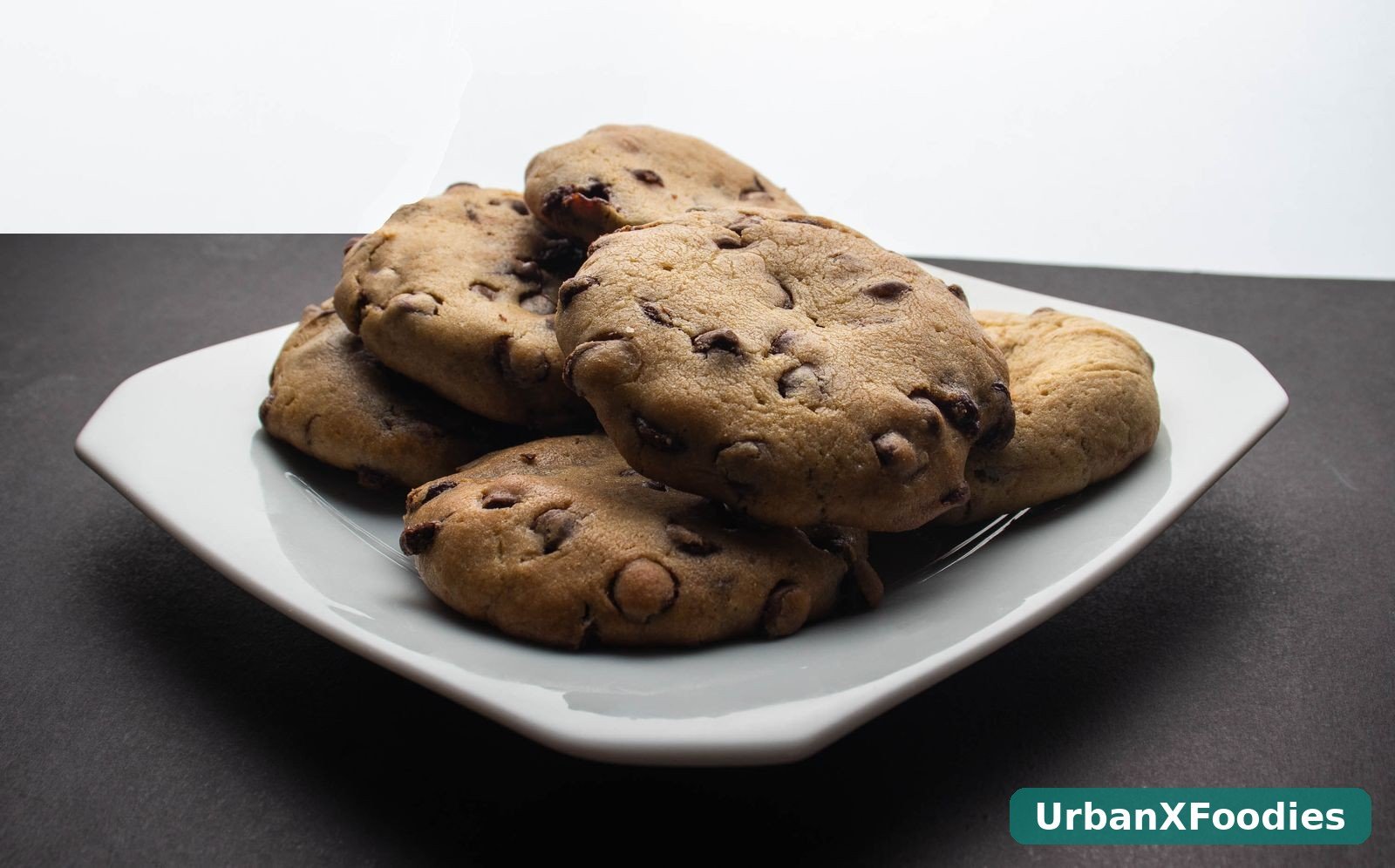
There are times when you want a chocolate chip cookie, not a production. Not a double batch, not a dough that needs chilling overnight, not a mountain of cookies that will sit in a tin going stale while you pretend you will eat them all. Just a small tray, warm from the oven, enough for tonight and maybe tomorrow, made with what is already in the cupboard. That is exactly what this recipe is for, and the fact that it uses no brown sugar is not a compromise. It is the whole point, because brown sugar is so often the one ingredient missing when the craving strikes.
I first made these on a rainy Sunday when the cupboard gave me flour, white sugar, butter, eggs, and chocolate chips, and absolutely no brown sugar, molasses, or anything I could plausibly substitute without a trip to the shop. I was convinced the cookies would be wrong: pale, thin, and crisp in the wrong way. Instead they came out golden at the edges, soft in the middle, and gone within the hour. It turns out that brown sugar, for all its lovely caramel flavour, is not the only route to a good cookie. White sugar, handled properly, gives you a cookie that is a little crisper at the edges and a little more delicate in the centre, and with a few small adjustments, nobody at the table will ask what is missing.
The adjustments matter, and they are simple. A little extra butter keeps the dough tender, an egg yolk adds richness and chew, and a pinch more vanilla deepens the flavour that brown sugar would normally provide. Baking them just until the edges set, while the centres still look slightly underdone, is what keeps them soft after they cool. And because this is a small batch, making just eight to ten cookies, you can afford to be a little indulgent with the chocolate. Use good chips, or chop up a bar, and do not be shy about the quantity. A small batch should feel like a treat, not a ration.
This recipe is written for one bowl, one baking tray, and about thirty minutes from start to finish. There is no chilling, no mixer required, and no special equipment beyond a spoon and a tray. Below you will find the ingredients, the method, tips for getting the texture right, variations for different tastes, serving ideas, and storage notes, plus answers to the questions people ask most about baking without brown sugar.
Why You Will Love This Recipe
First, it solves the most common baking problem there is: the missing ingredient. Brown sugar hardens into a brick in the cupboard, runs out at the worst moment, or simply never made it onto the shopping list. This recipe does not ask you to improvise a substitute or make a special trip. It is built around white sugar from the start, so the dough behaves exactly as it should, and the cookies come out right the first time, not as a brave approximation of something else.
Second, small batch baking is its own kind of freedom. A full batch of cookies is a commitment: it takes longer, it uses more ingredients, and it leaves you with two dozen cookies to store, share, or guiltily eat over the next week. Eight to ten cookies is the right number for a quiet evening, a small household, or a dessert after dinner. The dough comes together in minutes, the oven is on for barely a quarter of an hour, and the whole thing feels spontaneous rather than planned. If you want the story behind the classic version of this biscuit, the background on the chocolate chip cookie is a surprisingly entertaining read.
Third, the texture is genuinely good, not just good for a substitution. These cookies bake up with crisp, buttery edges and soft, slightly chewy centres, and they stay that way for a day or two if you store them properly. They are sturdy enough to dunk in milk or coffee, tender enough to eat warm with a spoon, and they make the kitchen smell like a bakery for an hour afterwards, which is a benefit that should not be underestimated. For more sweet ideas in the same spirit, browse the desserts and baking collection.
- No brown sugar needed: built around white sugar from the start.
- Small batch: just 8 to 10 cookies, perfect for one evening.
- One bowl, no mixer: mixed by hand in about ten minutes.
- No chilling: straight from bowl to oven.
- Crisp edges, soft centres: the texture everyone actually wants.
Ingredients You Will Need
Everything here is standard pantry fare, which is the point. Use butter that is soft but not melted: leave it out for half an hour, or microwave it in five-second bursts until it gives when pressed but still holds its shape. Melted butter makes cookies spread too thin, and cold butter will not cream properly with the sugar. The egg yolk, in addition to a whole egg, is the small luxury that gives these cookies their chew, so do not skip it if you can help it.
- 115g (1/2 cup) unsalted butter, softened
- 100g (1/2 cup) granulated white sugar
- 1 large egg, plus 1 extra egg yolk
- 1 1/2 teaspoons vanilla extract
- 160g (1 1/4 cups) plain flour
- 1/2 teaspoon baking soda
- 1/4 teaspoon fine sea salt
- 150g (1 cup) chocolate chips, plus a few extra for topping
A note on the chocolate: chips hold their shape and give you neat little pockets of chocolate, while chopped chocolate from a bar melts into pools and streaks, which many people prefer. Either works, and a mix of the two is excellent if you have both. Dark, milk, or semi-sweet chocolate all suit this dough, so use whatever you like eating. And on the flour: spoon it into the cup and level it off rather than scooping straight from the bag, which packs it down and can add enough extra flour to make the cookies dry.
How to Make Small Batch Chocolate Chip Cookies Without Brown Sugar
Start by heating the oven to 175°C (350°F) and lining a baking tray with parchment paper. In a medium bowl, beat the softened butter and sugar together with a wooden spoon or spatula until the mixture looks pale and slightly fluffy, about two minutes by hand. This step matters more than it seems: beating air into the butter and sugar is what gives the cookies their lift and lightness, and rushing it gives you dense, flat biscuits. Add the egg, the extra yolk, and the vanilla, and beat again until smooth and glossy.
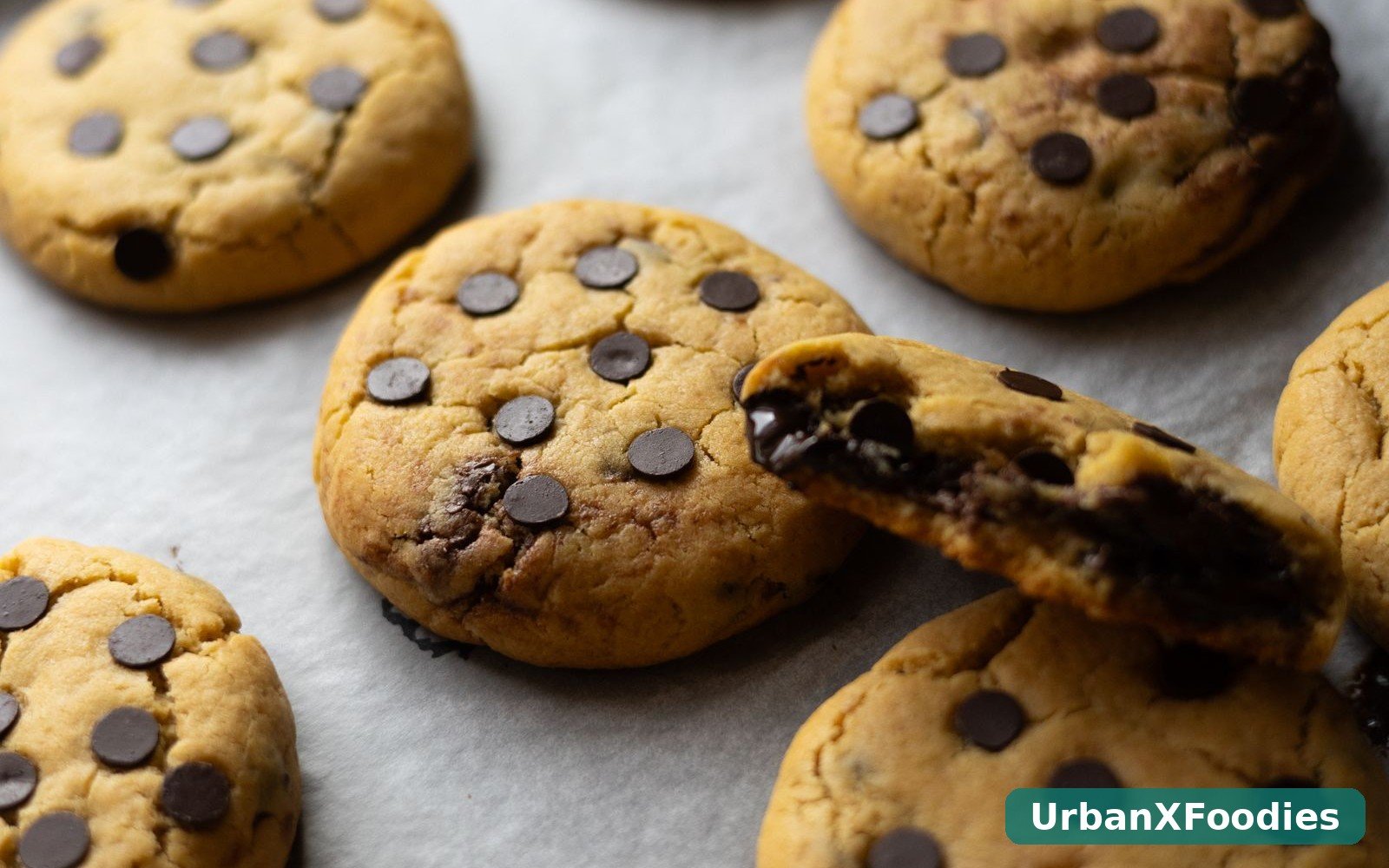
Add the flour, baking soda, and salt to the bowl, and stir just until the flour disappears. Overmixing at this stage develops gluten and makes tough cookies, so stop as soon as you cannot see dry flour anymore, even if the dough looks a little rough. Fold in the chocolate chips, saving a small handful to press onto the tops of the cookies before baking, which is a small touch that makes them look like they came from a bakery rather than a Tuesday night.
- Scoop the dough: divide into 8 to 10 balls, about 2 tablespoons each, and place them well apart on the lined tray. They will spread, so give them room.
- Top with extra chips: press a few reserved chocolate chips onto the top of each ball.
- Bake: 11 to 13 minutes at 175°C (350°F), until the edges are golden but the centres still look slightly soft and underdone.
- Cool on the tray: leave the cookies on the hot tray for five minutes to set, then transfer to a wire rack. They will firm up as they cool.
The hardest part of this recipe is not eating the cookies straight off the tray, and the second hardest part is trusting that they are done when the centres still look soft. They are. Cookies continue baking from the heat of the tray after they leave the oven, and a cookie that looks fully baked in the oven will be overbaked by the time it cools. Pull them when the edges are set and golden and the middles look just barely underdone, and you will be rewarded with soft centres. If you are serving these after a savoury supper, the easy dinner recipes with frozen vegetables make a practical weeknight main course before dessert.
Once cooled, the cookies should be crisp at the edges, soft in the middle, and studded with chocolate that is still slightly molten if you eat one warm. If your first batch spreads more than you like, the dough was probably a little warm or the butter a little soft; ten minutes in the fridge before baking will fix it, and the tips section below has more on troubleshooting spread.
Tips for the Perfect Texture
Butter temperature is the single biggest variable in this recipe. Soft butter that still holds its shape creams beautifully and gives the cookies structure. Melted butter makes them spread into thin, greasy discs, and fridge-cold butter will not combine properly with the sugar. If your kitchen is warm, err on the side of slightly cooler butter, and if the dough feels soft and sticky after mixing, give it ten minutes in the fridge before scooping. That short rest firms the butter without turning the recipe into a chilling project.
Measure your flour properly, and do not overmix. Spooning flour into the cup and levelling it off, rather than scooping from the bag, can make the difference between a tender cookie and a dry one, because scooping packs in significantly more flour than the recipe intends. And once the flour goes in, stir only until it disappears. Every extra stir develops gluten, and gluten is what makes cookies tough instead of tender. A few streaks of flour are fine; they will disappear as you fold in the chocolate chips.
Watch the bake time closely, and remember that ovens vary. Start checking at eleven minutes, and pull the tray when the edges are golden and the centres look slightly underdone. If you prefer a crisper cookie, give them an extra minute or two, but know that you are trading softness for crunch. For a reliable classic to compare against, the BBC Good Food chocolate chip cookies recipe is a good reference, though theirs uses brown sugar and a larger batch.
Variations to Try
The base dough is a blank canvas, and small batches are the perfect excuse to experiment, because a failed experiment costs you eight cookies, not thirty. For a nutty version, add 50g of chopped toasted walnuts or pecans with the chocolate chips. For a double chocolate cookie, replace two tablespoons of flour with cocoa powder and use dark chocolate chips. For a salted caramel twist, press a few soft caramel pieces into the centre of each dough ball and sprinkle the tops with flaky sea salt before baking.
A brown butter variation is worth trying when you have a few extra minutes: melt the butter in a pan until it foams and turns golden with brown specks, then cool it until it is soft but not liquid, and proceed as written. Brown butter adds a nutty, toffee-like depth that does some of the work brown sugar would normally do, and it makes the kitchen smell extraordinary. And for a festive version, swap half the chocolate chips for dried cranberries and white chocolate chips, and add a pinch of cinnamon to the flour.
If you want to dress these up for guests, sandwich two cookies with a scoop of vanilla ice cream for a quick ice cream sandwich, or crumble them over ice cream as a topping. A small batch is the right size for both, since you will use most of the cookies in one go and there will be no sad leftovers to manage. For a salty-sweet supper to precede dessert, the crispy potatoes without breadcrumbs make a pleasing contrast on the same evening.
Serving Ideas
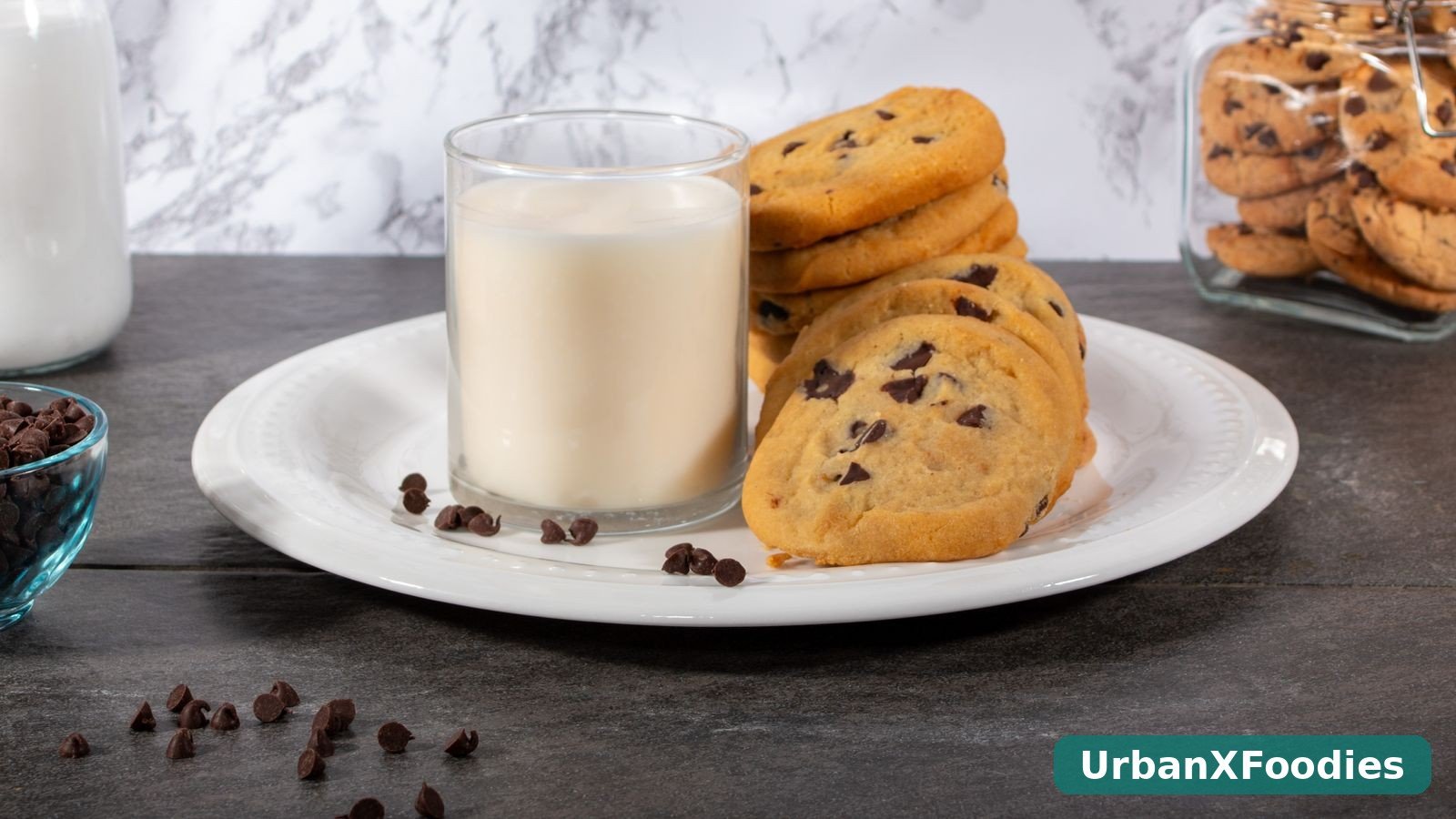
These cookies are at their best warm, about ten minutes out of the oven, when the chocolate is still soft and the edges have just set. Serve them on a plate with cold milk, which is the classic pairing for a reason: the cold milk against the warm, buttery cookie is one of life’s small, reliable pleasures. For adults, coffee works just as well, and a strong black coffee with a warm chocolate chip cookie is a perfectly respectable afternoon break.
For dessert, serve a warm cookie with a scoop of vanilla ice cream and a drizzle of chocolate sauce, or crumble a cookie over a bowl of ice cream for instant texture. They also make a lovely gift when you do not want to commit to a huge batch: stack four or five in a small box or bag with a ribbon, and you have a present that looks thoughtful rather than mass-produced. And if you are planning a whole evening around the kitchen, a simple one-pan main like the easy chicken and rice skillet keeps dinner low-effort so dessert can be the star.
For children, set up a small decorating station with extra chocolate chips, sprinkles, and a little melted chocolate for drizzling, and let them top their own cookies while they are still warm. It keeps small hands busy, it makes the cookies feel special, and it costs you nothing but a few sprinkles.
Storage and Make-Ahead
Store cooled cookies in an airtight container at room temperature for up to four days. They are best on the first day, still soft in the middle, but they hold up well, especially if you tuck a slice of bread into the container, which keeps them soft by sharing its moisture. Replace the bread every day or two if you keep the cookies that long, though in my house they rarely last that long.
To freeze, you have two good options. Freeze baked cookies in a single layer in a bag for up to three months, and refresh them in a warm oven at 150°C (300°F) for five minutes, which brings back much of their fresh-baked softness. Or freeze raw dough balls on a tray, transfer them to a bag, and bake from frozen, adding two to three minutes to the baking time. The second option is my favourite, because it means warm cookies on demand with almost no effort, and a bag of dough balls in the freezer is a small luxury that future-you will be grateful for.
You can also make the dough a day ahead and refrigerate it, covered, overnight. Let it sit at room temperature for twenty minutes before scooping, since cold dough is hard to portion, and bake as usual. The overnight rest deepens the flavour slightly, which is a nice bonus for almost no extra work.
Frequently Asked Questions
Why do my cookies spread too much?
The usual causes are butter that is too soft or melted, a warm baking tray, or too little flour. Use butter that holds its shape, let the tray cool between batches, measure flour by spooning it into the cup, and chill the dough for ten minutes if your kitchen is warm. Any one of these usually fixes the problem.
Can I use salted butter instead of unsalted?
Yes, just reduce the added salt to a pinch. Salted butter varies in salt content, so the cookies may taste slightly saltier, but the difference is small and many people prefer it. The texture and baking time stay the same.
Do I really need the extra egg yolk?
It is strongly recommended, because the yolk adds richness and chew that white sugar alone cannot provide, and it compensates for the moisture brown sugar would normally contribute. Without it, the cookies will still work, but they will be a little thinner and crisper. If you only have one egg, use it and add an extra tablespoon of butter.
Can I double this recipe?
Absolutely. Double every ingredient and bake in two batches, letting the tray cool between them so the second batch does not spread. The dough also freezes well, so doubling and freezing half the dough balls is a smart move if you want warm cookies another night.
How do I know when the cookies are done?
Look for golden edges and centres that still look slightly soft and underdone. The cookies will firm up on the hot tray over the next five minutes. A cookie that looks fully baked in the oven will be overbaked by the time it cools, so pull them a little earlier than your instinct suggests.
Can I make these cookies gluten-free?
Yes, a good one-to-one gluten-free flour blend works well in this recipe, since the dough is simple and the cookies are small. The texture will be slightly more delicate, so let them cool fully on the tray before moving them, and expect a little more spread. Check that your baking soda and chocolate chips are certified gluten-free if that matters for your household.


Pingback: Air Fryer Cinnamon Apple Chips: A Sweet, Crunchy Snack – UrbanXFoodies
Pingback: Soft Snickerdoodle Cookies With Cinnamon Sugar – UrbanXFoodies
Pingback: Easy Peach Cobbler With Buttery Biscuit Topping – UrbanXFoodies
Pingback: No-Bake Oreo Cheesecake With Chocolate Cookie Crust – UrbanXFoodies