

Introduction
We have all stood in front of an open fridge, looked at what seems like nothing, and wondered how dinner is supposed to happen. The truth is, most of us have far more to cook with than we think. A tin of beans, half a bag of pasta, a couple of eggs, some frozen vegetables, a jar of sauce that has been sitting there for months — that is not nothing. That is dinner, several times over, if you know how to put the pieces together.
Cooking from what you already have is a skill, and like any skill it gets easier with practice. The first time you do it, you might spend twenty minutes staring at shelves and feeling stuck. The tenth time, you will open the cupboard, spot the pasta, the tinned tomatoes, and the chickpeas, and dinner will practically assemble itself in your head. It is not about being a brilliant cook. It is about learning a few flexible formulas — a grain plus a protein plus a sauce, or a pan of vegetables with eggs on top — and trusting them.
There is also a quiet satisfaction in it that a planned, shopped-for meal does not quite give you. Using up what is there means less waste, less money spent, and fewer last-minute trips to the shop. It is kinder to your budget and to the planet, and it turns an ordinary evening into a small win. This guide is built around that idea: practical, forgiving meals made from everyday ingredients, with the formulas, swaps, and shortcuts that make them work night after night.
Why You Will Love This Recipe
The biggest benefit is freedom from the shopping list. When dinner comes from the cupboard, there is no moment of panic at five o’clock because you forgot an ingredient. You cook with what is there, and the meal shapes itself around your supplies rather than the other way round. That alone takes a huge amount of pressure off busy days.
It is also genuinely economical. Households throw away a surprising amount of food, often because ingredients were bought for one recipe and never used again. Cooking from the cupboard reverses that pattern: the half-used jar of pesto, the tin of beans bought on offer, the frozen vegetables at the back of the freezer — all of them get used, and your grocery bill quietly shrinks. If you are building a habit of this kind of cooking, you will find kindred ideas among one-pan skillet meals, which are designed around exactly this sort of flexibility.
And the food is good. Really good. A bowl of pasta with garlic, chilli, olive oil, and a tin of chickpeas is a meal I would happily eat any night of the week, and it costs very little and takes twenty minutes. A tray of roasted frozen vegetables tossed with spices and served over rice with a fried egg is comfort food in its purest form. These are not compromise meals; they are the meals people actually cook, and love, when no one is watching.
Ingredients You Will Need
Rather than a single fixed list, this guide works from a pantry framework. If you keep most of the following on hand, you can make almost every meal in this article:
- Grains and pasta: rice, pasta, noodles, couscous, or flatbreads
- Protein: tinned beans or chickpeas, lentils, eggs, tinned tuna, or leftover cooked chicken
- Tinned goods: chopped tomatoes, coconut milk, stock cubes, sweetcorn, peas
- Frozen vegetables: mixed vegetables, peas, broccoli, spinach, or stir-fry mix
- Flavour builders: garlic, onions, soy sauce, mustard, vinegar, honey, dried herbs, chilli flakes, curry paste or powder
- Finishing touches: lemon, fresh herbs if you have them, cheese, yoghurt, butter, olive oil
For the signature meal in this guide — a fifteen-minute chickpea and tomato pasta — you will need 320g pasta, 1 tin of chickpeas, 1 tin of chopped tomatoes, 3 cloves of garlic, a teaspoon of smoked paprika, a pinch of chilli flakes, olive oil, salt, and Parmesan or a crumbling of feta to finish. Everything else in the article is a variation on the same logic, swapping one element for another.
The one thing worth investing in is good flavour builders. Cheap dried herbs that have sat in the cupboard for three years will not help you; fresh garlic, a decent olive oil, and a lemon will transform a plain bowl of pasta into something you actually want to eat. Keep those fresh and the rest can be as humble as you like.
How to Make Quick Meals With Ingredients I Have
Start with a quick cupboard audit, and be honest about what counts. Open the fridge, the freezer, and the cupboard, and list — mentally is fine — one grain, one protein, and one or two vegetables or sauces. That combination is your dinner. If you have pasta, chickpeas, and tomatoes, you are making the chickpea pasta below. If you have rice, eggs, and frozen vegetables, you are making egg fried rice. If you have flatbreads, cheese, and a jar of sauce, you are making quick pizzas. The formula does the deciding for you, which is the whole point on a tired evening.
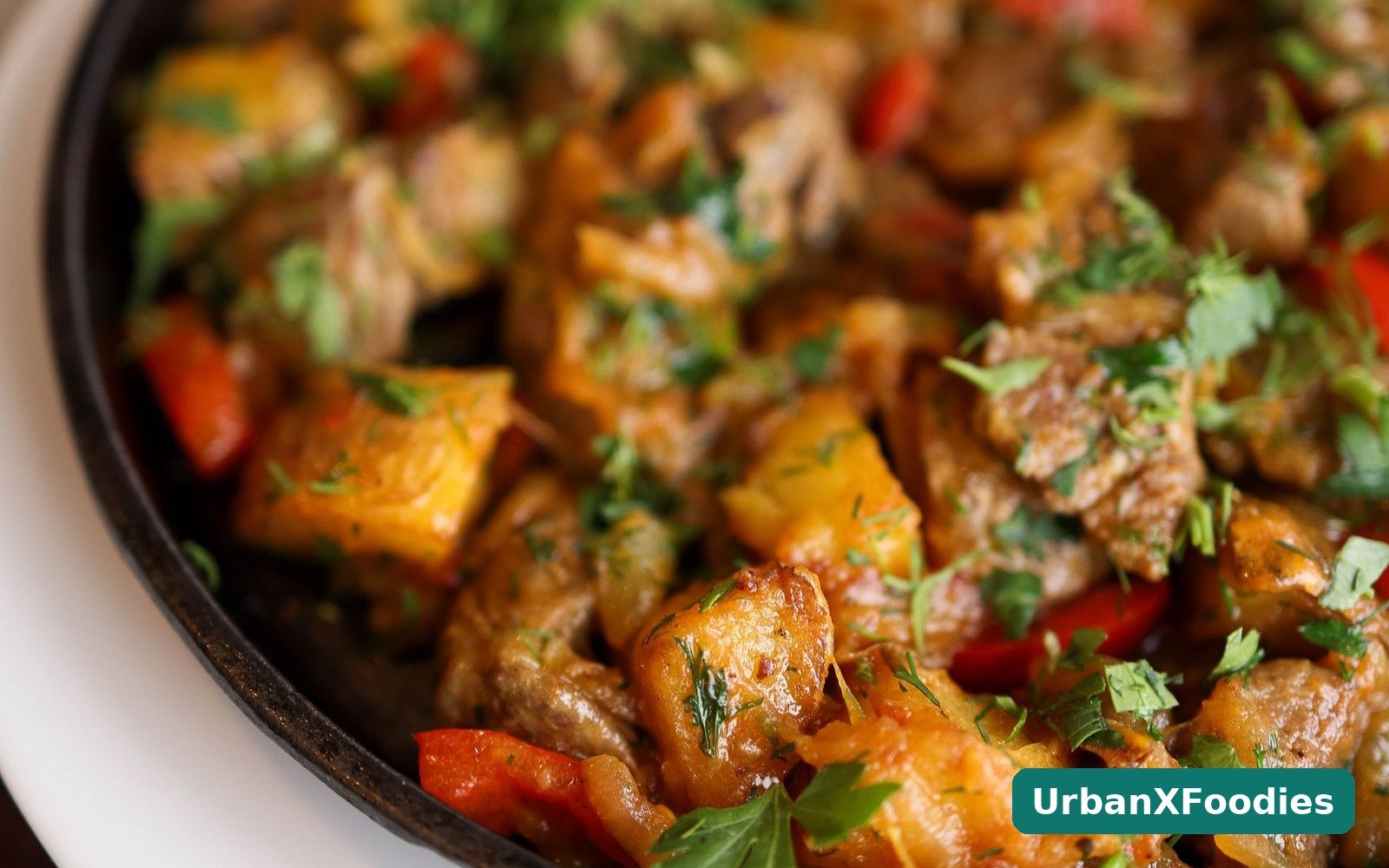
For the chickpea and tomato pasta, bring a large pan of salted water to the boil and cook the pasta according to the packet, saving a mug of the cooking water before you drain it. That starchy water is liquid gold for sauces, and you will use it in a moment. While the pasta cooks, warm two tablespoons of olive oil in a large frying pan over medium heat and cook the sliced garlic for a minute until fragrant but not browned.
Add the smoked paprika and chilli flakes, stir for thirty seconds, then pour in the tinned tomatoes and the drained chickpeas. Season well, and simmer for eight to ten minutes until the sauce thickens and the chickpeas soften slightly. If you have a spoonful of tomato purée, stir it in now for extra depth. Taste the sauce and adjust: a pinch of sugar if the tomatoes are sharp, more salt if it tastes flat, a squeeze of lemon if it needs brightness.
Tip the drained pasta into the sauce with a splash of the reserved cooking water, and toss everything together over the heat for a minute or two until the pasta is coated and glossy. The starch in the water helps the sauce cling, which is the difference between pasta sitting in sauce and pasta that actually tastes sauced. Finish with a generous grating of Parmesan or feta, a drizzle of olive oil, and torn basil or parsley if you have it.
That is the core method, and the same thinking applies to the other formulas in this guide. Egg fried rice starts with cold leftover rice — it fries better than fresh — plus frozen vegetables, soy sauce, garlic, and eggs scrambled in the same pan. A bean and vegetable traybake uses whatever vegetables you have, tinned beans, olive oil, and spices, roasted together and served over rice or in flatbreads. A soup can be made from stock, tinned tomatoes or lentils, and any vegetables that need using up, blended or left chunky according to taste.
The skill that ties all of this together is learning to taste and adjust as you go, rather than following a recipe to the letter. A dish made from cupboard ingredients will never match a recipe exactly, and that is fine — it is supposed to be yours. Add more chilli if you like heat, more lemon if you like brightness, a knob of butter if it needs richness. Cooking this way builds confidence quickly, and it pairs well with other flexible approaches, including side dishes and vegetable recipes that turn a simple main into a fuller meal.
One practical tip that makes all of this much easier: keep a short list on the fridge of what is actually in your freezer and cupboard, and update it when you use something up. It sounds fussy, but it means you can plan a cupboard dinner from the sofa, or even from work, instead of standing in the kitchen guessing. For a broader look at how chicken fits into this kind of cooking, the Wikipedia page on chicken as food gives a useful overview of cuts, cooking methods, and traditions around the world.
Tips for the Best Cupboard Meals
Build flavour in layers. Garlic cooked gently in oil, spices bloomed for thirty seconds before liquid goes in, a splash of vinegar or lemon at the end — these small steps cost almost nothing in time but make an enormous difference to the finished dish. A meal made from tins and packets can still taste layered and interesting if you treat the flavour builders with respect.
Use the freezer as a pantry, not a graveyard. Frozen vegetables, bread, stock, herbs, and even leftover rice are all ingredients, not afterthoughts. Label and date things when you freeze them, and try to use the oldest first, so nothing sits there for a year becoming unrecognisable.
Keep a few “rescue” ingredients for nights when even the cupboard looks thin. Eggs, butter, cheese, and a lemon can rescue almost any situation — a buttered pasta with Parmesan and lemon, a cheese omelette with herbs, or scrambled eggs on toast are all legitimate dinners. There is no shame in a simple meal; the goal is feeding yourself well, not impressing anyone.
When you do have leftover cooked chicken, treat it as a head start rather than a leftover. It can go into pasta, fried rice, wraps, or soup in minutes, and it stretches a single roast into two or three meals. For ideas on making the most of it, easy meals with leftover rotisserie chicken is full of practical suggestions that fit exactly this style of cooking.
Variations to Try
The chickpea pasta can become a dozen different meals with small changes. Swap chickpeas for white beans and add spinach at the end for a Tuscan feel. Use coconut milk and curry powder instead of tomatoes for a quick chickpea curry, served over rice. Replace pasta with couscous — just pour over boiling stock, cover for five minutes, and fluff — for an even faster version. Add a tin of tuna and a handful of olives for a puttanesca-style sauce that needs no fresh ingredients at all.
Egg fried rice deserves its own mention because it is the ultimate cupboard meal. Cold rice, frozen vegetables, eggs, soy sauce, garlic, and a drizzle of sesame oil if you have it — fifteen minutes, one pan, and a meal that satisfies in a way few quick dinners do. Add leftover chicken, prawns, or tofu if you have them, or keep it plain and serve with chilli sauce and spring onions.
Soups and stews are the other great cupboard category. Lentil soup — red lentils, onion, garlic, stock, and a tin of tomatoes, simmered and blended — is cheap, filling, and freezes beautifully. A bean stew with tinned beans, tomatoes, and whatever vegetables need using up can simmer unattended while you do something else, and it tastes even better the next day. And on nights when fresh vegetables have run out entirely, easy dinner recipes with frozen vegetables show just how far a bag from the freezer can go.
Serving Ideas
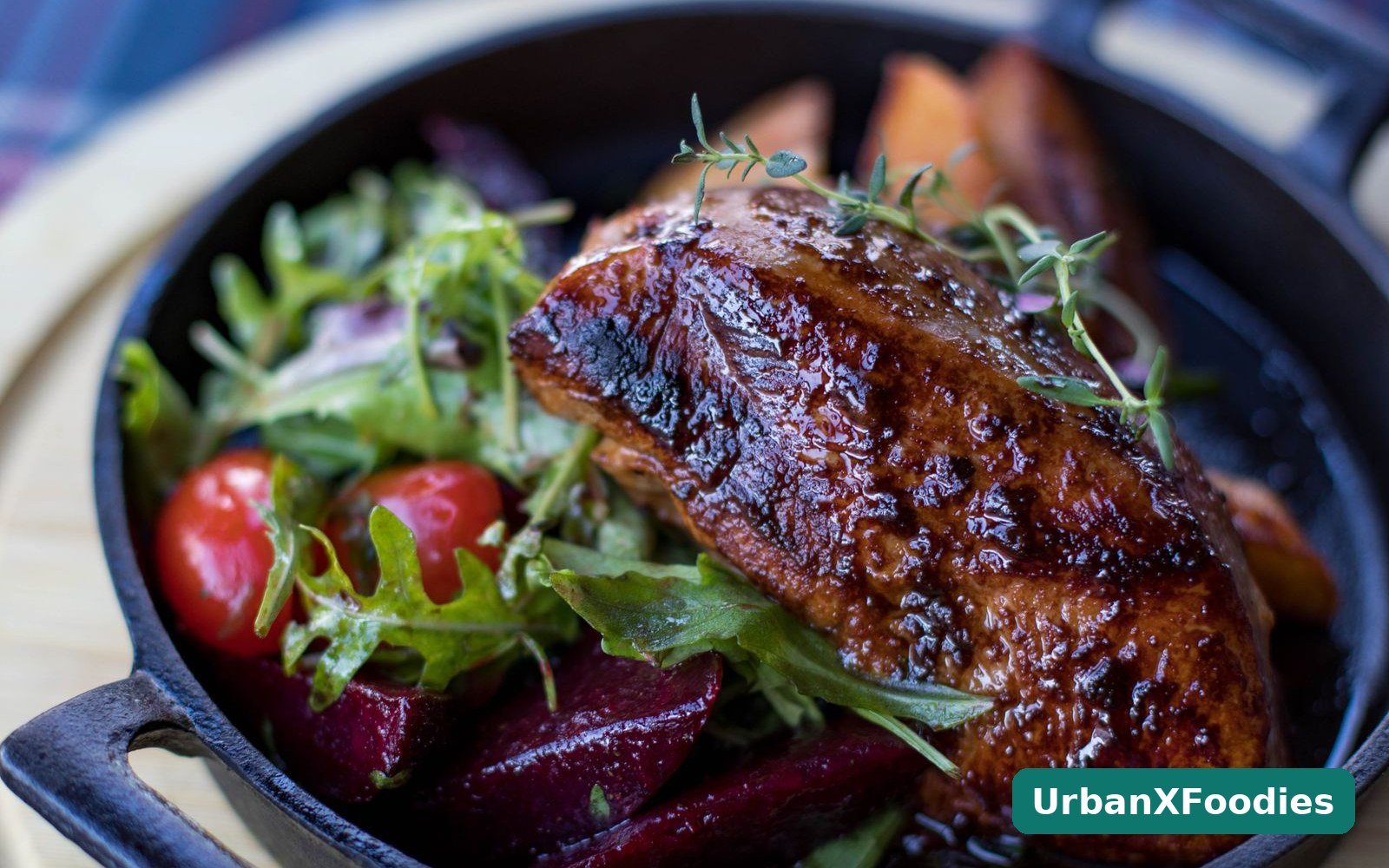
Cupboard meals are at their best served simply and generously. The chickpea pasta needs only bread and a salad, if that, and it is excellent eaten straight from a big bowl on the sofa. Egg fried rice is complete on its own, though a drizzle of chilli sauce and some sliced spring onions make it feel finished. Soups and stews want bread for dunking — crusty bread, flatbreads, or even toast all work — and a spoonful of yoghurt or a grating of cheese on top.
If you are feeding guests from the cupboard, lean into the sharing style: a big pot of bean stew in the middle of the table, bowls of rice, bread, and a simple salad, and let everyone serve themselves. No one will guess that dinner came entirely from tins and the freezer, and frankly, no one needs to know. Good food is good food, whatever shelf it came from.
Storage and Make-Ahead
Most cupboard meals keep well and taste better the next day, especially bean stews, lentil soups, and tomato sauces. Store them in airtight containers in the fridge for up to three days, and reheat until piping hot, adding a splash of water if the sauce has thickened. Pasta dishes are best eaten fresh, but leftovers can be revived with a little olive oil and a splash of water tossed through in a hot pan.
For make-ahead cooking, sauces and soups are your friends. Make a double batch of tomato and chickpea sauce on a quiet evening, freeze half, and you have a future dinner that only needs pasta. Cook a large pot of lentil soup, portion it, and freeze it in individual servings for lunches. This kind of forward thinking is what turns cupboard cooking from a last resort into a genuinely sustainable way of eating, and it is worth building into your weekly routine.
If you want more quick inspiration, the BBC Good Food quick chicken collection is a good place to browse when you want to add chicken into the cupboard rotation, with plenty of ideas that use everyday ingredients.
Frequently Asked Questions
What can I cook if I only have pasta, tinned tomatoes, and garlic?
You can make a very good pasta with tomato and garlic sauce: cook the garlic gently in olive oil, add the tomatoes and a pinch of chilli flakes, simmer for ten minutes, and toss through cooked pasta with Parmesan. Add a tin of chickpeas or beans if you have one, and it becomes a complete meal.
How do I make cupboard meals taste less boring?
Focus on the finishing touches. A squeeze of lemon, a drizzle of good olive oil, fresh herbs, grated cheese, a spoonful of yoghurt, or a pinch of chilli flakes can transform a plain dish. Acid and fat are the two things that most often make the difference between flat and flavourful.
Are frozen vegetables as good as fresh for quick meals?
For cooked dishes like soups, stews, stir-fries, and pasta sauces, frozen vegetables are excellent — they are frozen at peak freshness and they cook quickly. They are less suited to salads or dishes where raw crunch matters, but for weeknight cooking they are one of the most useful things you can keep.
What should I always keep in my pantry?
Pasta, rice, tinned tomatoes, tinned beans or chickpeas, stock cubes, garlic, onions, olive oil, soy sauce, dried herbs, chilli flakes, and a grain like couscous. With those basics plus eggs and cheese in the fridge, you can make a different dinner every night for a week without shopping.
Can I use leftover rice for fried rice?
Yes, and you should — cold, day-old rice fries far better than freshly cooked rice, which tends to go mushy. If you only have fresh rice, spread it on a tray and cool it quickly, or even chill it for thirty minutes, before frying. Keep leftover rice refrigerated and use it within a day, reheating it until piping hot.


