

There are cookies you make to impress people, and then there are cookies you make because the house feels quiet and a little cinnamon in the air would fix it. Snickerdoodles are firmly in the second group, and that is why they have lasted so long. They are not loaded with chocolate or frosting or anything that needs a special trip to the shop. They are soft, a little tangy, rolled in cinnamon sugar, and they come out of the oven with those crinkly tops that tell you, before you even taste one, that they are going to be good.
The first time I made snickerdoodles properly, I got them wrong in a way that taught me everything about the recipe. I skipped the cream of tartar because I did not have any and assumed it was just another powder that would not matter much. The cookies came out fine, in the way that plain sugar cookies are fine, but they were missing the whole point. They were sweet and flat-tasting, without the gentle tang that makes a snickerdoodle taste like itself. The next batch, with cream of tartar back in, was a different cookie entirely: soft in the middle, slightly chewy, with a flavour that was more interesting than just sugar and butter. That one ingredient is not optional, and once you taste the difference, you will never leave it out again.
This recipe is written for a normal, busy kitchen. One bowl, no chilling, no mixer required if you do not have one, and about thirty minutes from the moment you start to the moment the first tray comes out of the oven. The dough comes together quickly, the cookies bake in ten minutes, and they are best eaten while they are still a little warm, when the cinnamon sugar on the outside is crisp and the centre is soft enough to bend without breaking. If you have children in the house, this is a good recipe to make with them, because rolling dough balls in cinnamon sugar is exactly the kind of job small hands love.
What you get at the end is about two dozen cookies, which sounds like a lot until you watch how fast they disappear. Make a double batch if you are taking them somewhere. People will ask for the recipe, and you will be able to say, honestly, that there is nothing complicated in it at all.
Why You Will Love This Recipe
First, it is fast in the way that matters on a weeknight. There is no dough to chill, no frosting to make, and no decorating to fuss over. You mix, you roll, you bake, and you are done. From start to finish, including baking time, you are looking at roughly half an hour, which means these cookies are a realistic after-dinner project rather than a weekend-only bake.
Second, the texture is exactly what a snickerdoodle should be. The edges are set and lightly golden, the tops are crinkled from the way the cookies puff up and then settle as they cool, and the centres stay soft and a little chewy for days. That softness comes from a combination of things: the cream of tartar, the right amount of butter, and taking the cookies out of the oven while they still look slightly underdone in the middle. If you bake them until they look fully done in the oven, they will be crisp and dry by the time they cool. Trust the timing, not your eyes, on this one.
Third, the ingredients are ordinary. Flour, sugar, butter, eggs, cinnamon, and cream of tartar are things most kitchens already have, or can pick up in one quick shop. There is no brown sugar to run out of, no chocolate to chop, and no nuts to worry about for allergies, which makes these cookies an easy choice for school bake sales, office trays, and neighbours who drop by unexpectedly.
Finally, they keep well and travel well. Snickerdoodles do not go stale as quickly as thinner, crisper cookies, and they do not melt or smudge in a tin. You can bake them in the morning, pack them in a tin, and take them to a gathering in the evening, and they will still taste freshly baked. That reliability is part of their charm. They are the cookie you can count on.
Ingredients You Will Need
For the dough, you will need 2 3/4 cups of all-purpose flour, 2 teaspoons of cream of tartar, 1 teaspoon of baking soda, 1/2 teaspoon of fine salt, 1 cup of unsalted butter at room temperature, 1 1/2 cups of granulated sugar, 2 large eggs at room temperature, and 2 teaspoons of pure vanilla extract. Room temperature butter and eggs matter more here than in some recipes. Cold butter will not cream properly with the sugar, and cold eggs can make the dough seize up and look curdled. Take them out of the fridge about half an hour before you start, or warm the eggs briefly in a bowl of warm water if you forgot.
For the cinnamon sugar coating, you will need 1/4 cup of granulated sugar and 1 1/2 tablespoons of ground cinnamon. That sounds like a lot of cinnamon, and it is meant to be. The coating is not a light dusting. It is a proper roll that gives each cookie its speckled, golden-brown outside and its warm, spicy flavour. Mix the sugar and cinnamon well in a small, shallow bowl so the colour is even and every ball of dough picks up the same amount.
A note on the cream of tartar: buy it fresh if your jar has been sitting in the cupboard for years. Old cream of tartar loses strength, and while it will not ruin the cookies, it will not give you the same tang or the same soft texture. It is inexpensive, and a fresh jar will last you through many batches. If you truly cannot find it, you can substitute 2 teaspoons of lemon juice or white vinegar, but the cookies will be a little less tangy and a little less tender, so use the real thing if you can.
You will also need two baking trays lined with parchment paper, and a cookie scoop or a tablespoon for portioning. Parchment is worth using here because the cinnamon sugar can stick to a bare tray, and it makes cleanup much easier. If you only have one tray, that is fine. Just bake in batches and let the tray cool slightly between batches so the dough does not start melting as soon as it touches the pan.
How to Make Soft Snickerdoodle Cookies With Cinnamon Sugar
Start by heating your oven to 375 degrees Fahrenheit, or 190 degrees Celsius, and lining your baking trays with parchment paper. Getting the oven hot before you start mixing means the first tray can go straight in as soon as the dough is ready, and the cookies will bake evenly instead of spreading while the oven is still warming up.
In a medium bowl, whisk together the flour, cream of tartar, baking soda, and salt until they are well combined. Set this aside. In a large bowl, beat the softened butter and the 1 1/2 cups of sugar together until the mixture is light, pale, and fluffy. With a mixer, this takes about 2 to 3 minutes on medium speed. By hand, with a wooden spoon, it takes a little longer, but it is perfectly doable, and the arm workout is part of the charm. The mixture should look noticeably lighter in colour than when you started, and it should feel smooth rather than grainy.
Beat in the eggs one at a time, mixing well after each one, then add the vanilla extract and mix again until everything is combined. Scrape down the sides of the bowl with a spatula, because butter and sugar love to hide at the bottom. Now add the flour mixture in two or three batches, mixing on low speed or stirring gently by hand just until the flour disappears. Do not overmix at this stage. Overmixing develops the gluten in the flour and makes tough cookies, which is the opposite of what you want. Stop as soon as you cannot see any dry flour, even if the dough looks a little rough.
In a small, shallow bowl, stir together the 1/4 cup of sugar and the cinnamon for the coating. Scoop the dough into balls about 1 1/2 inches across, roughly a heaped tablespoon each, and roll each ball smooth between your palms. Drop each ball into the cinnamon sugar and roll it around until it is well coated on all sides. Place the coated balls about 2 inches apart on the prepared trays. Do not flatten them. They will spread and settle on their own in the oven, and flattening them now will make them thinner and crisper than you want.
Bake one tray at a time, in the middle of the oven, for 9 to 11 minutes. The cookies are done when the edges are set and just starting to turn golden, the tops are puffed and crinkled, and the centres still look soft and slightly underdone. They will look like they need another minute. They do not. Take them out. Let them cool on the tray for 5 minutes, during which they will settle and firm up, then transfer them to a wire rack to cool completely. If you try to move them too soon, they will break, because they are at their most fragile straight out of the oven.
Repeat with the remaining dough, letting the tray cool for a few minutes between batches if you are reusing it. A hot tray will melt the dough before it even gets into the oven, and those cookies will spread too thin. While the second batch bakes, try not to eat all of the first batch. I say this from experience, and I cannot promise you will listen.
Tips
The biggest tip is the one about baking time, and it is worth repeating: take the cookies out while the centres still look soft. Snickerdoodles continue to cook on the hot tray after they come out of the oven, and that carryover heat is what finishes them without drying them out. If you wait until they look fully baked, they will be overbaked by the time they cool. Set a timer for 9 minutes and check from there.
The second tip is about measuring flour. Spoon the flour into your measuring cup and level it off with a knife, rather than scooping the cup straight into the flour bag. Scooping packs the flour down and can add as much as a quarter cup extra without you realising it, which makes dry, cakey cookies. This is the most common reason homemade cookies turn out drier than expected, and it is an easy fix.
The third tip is about butter temperature. The butter should be soft enough to leave an indent when you press it with your finger, but not so soft that it looks greasy or melted. If your kitchen is warm and the butter gets too soft, put the dough in the fridge for 15 minutes before rolling. Chilled dough spreads less and gives you thicker, softer cookies. If your kitchen is cold, give the butter a few extra minutes at room temperature rather than microwaving it, which melts it unevenly.
Finally, do not skip the salt, and do not reduce the cinnamon in the coating to save a little. The salt balances the sweetness, and the cinnamon is the whole flavour of the cookie. A snickerdoodle with a timid coating tastes like a sugar cookie that is trying to be something else. A snickerdoodle with a generous coating tastes like itself, and that is what people remember.
Variations to Try
Once you have the classic version, there are a few easy variations that keep the same dough and change the mood of the cookie. For a brown butter version, melt the butter in a saucepan until it foams and turns golden brown with a nutty smell, then let it cool until it is solid again but still soft, and use it in place of the regular butter. The cookies will taste deeper and more caramel-like, with the same soft texture. This version takes a little more time, but it is worth trying at least once.
For a pumpkin spice version, add 1 teaspoon of pumpkin pie spice to the cinnamon sugar coating and 1/2 teaspoon to the dough. The cookies will taste like autumn, and they are lovely with a cup of tea on a cold afternoon. You can also add a handful of white chocolate chips to the dough for a sweeter, creamier version, though purists may argue that a snickerdoodle does not need chocolate. They are not wrong, but the white chocolate version is still very good.
For a lemon snickerdoodle, replace the vanilla extract with lemon extract and add a teaspoon of finely grated lemon zest to the dough. Roll the cookies in lemon sugar, made with sugar and lemon zest, instead of cinnamon sugar. The result is bright and fresh, and it is a nice change in spring and summer when cinnamon feels a little heavy.
For a stuffed version, flatten each ball of dough slightly, press a small piece of soft caramel or a chocolate kiss into the centre, and roll it back into a ball before coating it in cinnamon sugar. The cookies will be a little larger and will need an extra minute in the oven, but the surprise in the middle makes them feel special. This version is popular with children, for reasons that need no explanation.
You can also make these cookies smaller for a party tray, using a teaspoon of dough per cookie and baking for 7 to 8 minutes, or larger for a bakery-style cookie, using two tablespoons of dough and baking for 12 to 13 minutes. Just keep the spacing generous, because larger cookies spread more, and watch the first batch closely until you know how your oven handles the new size.
Serving Ideas

Snickerdoodles are best served slightly warm, on a plate in the middle of the table, with no ceremony at all. People will help themselves, and that is the point. A glass of cold milk is the classic partner, and it still is, because the cool milk against the warm cinnamon cookie is a combination that has never needed improving. Coffee works well too, especially in the afternoon, when a cookie and a coffee feel like a small, well-earned break.
For a dessert plate, serve two snickerdoodles with a scoop of vanilla ice cream and a drizzle of caramel sauce. The warm cookie, if you can time it right, will soften the ice cream just enough to make a creamy sauce of its own, and the cinnamon in the cookie pairs beautifully with vanilla. This is a simple dessert that looks thoughtful without requiring any extra baking, and it is a good way to turn a batch of cookies into something that feels like a proper pudding.
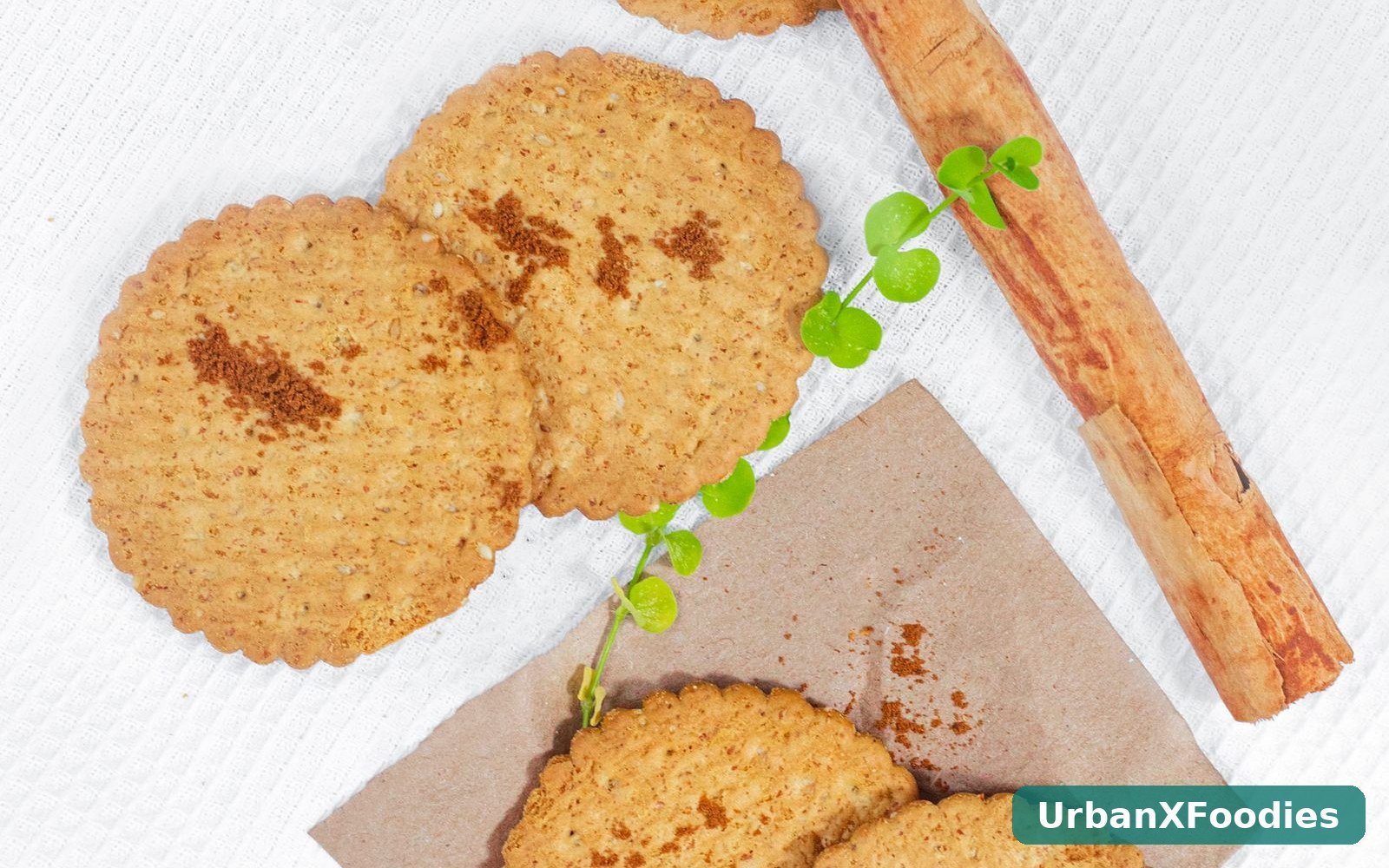
For a gathering, pile the cookies on a cake stand or in a tin lined with parchment paper, with a few cinnamon sticks tucked in for decoration. They look homemade in the best way, and they invite people to take one without asking. If you are taking them to someone else’s house, a tin travels better than a plate, and the cookies will still be soft when you arrive. For more sweet ideas, browse our Desserts & Baking collection, or try our small batch cookies when you only want a few. They also make a lovely end to a simple chicken dinner for two or a quick pantry chicken dinner, when something sweet after a savoury meal is exactly right.
If you want to learn more about where this cookie comes from, read about the snickerdoodle and try this snickerdoodles recipe for another good version of the same classic.
Storage and Make-Ahead
Snickerdoodles keep well in an airtight container at room temperature for up to 5 days, and they stay soft for most of that time if the container is truly airtight. Adding a slice of bread to the container, a trick bakers have used for years, helps keep them soft even longer, because the cookies absorb moisture from the bread instead of drying out. Replace the bread slice every couple of days if you do this, and do not be surprised when the bread goes hard and the cookies stay soft. That is the trick working.
The dough can be made ahead and kept in the fridge for up to 3 days, tightly wrapped, or frozen for up to 3 months. To freeze the dough, roll it into balls, coat them in cinnamon sugar, and freeze them on a tray before transferring them to a freezer bag. Bake from frozen, adding 2 to 3 minutes to the baking time, with no need to thaw first. This is a wonderful thing to have in the freezer for unexpected guests, because fresh cookies in fifteen minutes make you look far more organised than you actually are.
Baked cookies also freeze well for up to 3 months. Let them cool completely, pack them in a freezer bag with parchment paper between the layers, and thaw them at room temperature for about half an hour before serving. A few seconds in the microwave will warm them up again, but watch them closely, because a microwaved cookie goes from warm to hard very quickly.
Frequently Asked Questions
Why do I need cream of tartar?
Cream of tartar is what gives snickerdoodles their signature tang and their soft, chewy texture. It is an acid, and when it reacts with baking soda, it creates the lift that makes the cookies puff up and then settle into crinkly tops. Without it, you get a plain sugar cookie, which is fine, but it is not a snickerdoodle. If you cannot find cream of tartar, lemon juice or vinegar can substitute in a pinch, but the flavour and texture will not be quite the same.
Why did my cookies come out flat?
Flat snickerdoodles are usually caused by butter that was too soft or melted, or by dough that was not chilled in a warm kitchen. If your butter was greasy or your kitchen is very warm, chill the dough for 15 to 20 minutes before rolling and baking. Also check that your baking soda is fresh. Old baking soda loses its lifting power, and the cookies will spread instead of puffing. Replace it every six months if you bake regularly.
Can I make snickerdoodles without a mixer?
Yes, absolutely. A wooden spoon and a sturdy bowl work fine. Creaming butter and sugar by hand takes a few minutes longer, but it is not difficult, and generations of bakers made these cookies before electric mixers existed. Just make sure the butter is properly softened, and take your time with the creaming step, because that is what gives the cookies their light texture.
How do I keep snickerdoodles soft after baking?
Store them in an airtight container as soon as they are completely cool, and do not leave them out on a plate overnight if you want them to stay soft. The bread slice trick works well, as does storing them with a slightly underbaked cookie in the same tin, though that cookie will be eaten first. Most importantly, do not overbake them in the first place, because no storage trick can rescue a cookie that was dry from the start.
Can I use salted butter instead of unsalted?
Yes, but reduce the added salt in the recipe to 1/4 teaspoon if you do. Salted butter varies in salt content between brands, so the result may be slightly saltier than with unsalted butter, but it will still work. Unsalted butter gives you more control, which is why most baking recipes call for it, but do not let a lack of unsalted butter stop you from baking.
Why do snickerdoodles crack on top?
The crinkly, cracked tops are a sign that the cookies are working properly. As the cookies puff up in the oven and then settle as they cool, the cinnamon sugar coating cracks, giving you that classic snickerdoodle look. If your cookies do not crack at all, they may have been overmixed or baked at too low a temperature, but they will still taste good. The cracks are a good sign, not a flaw.