
Introduction
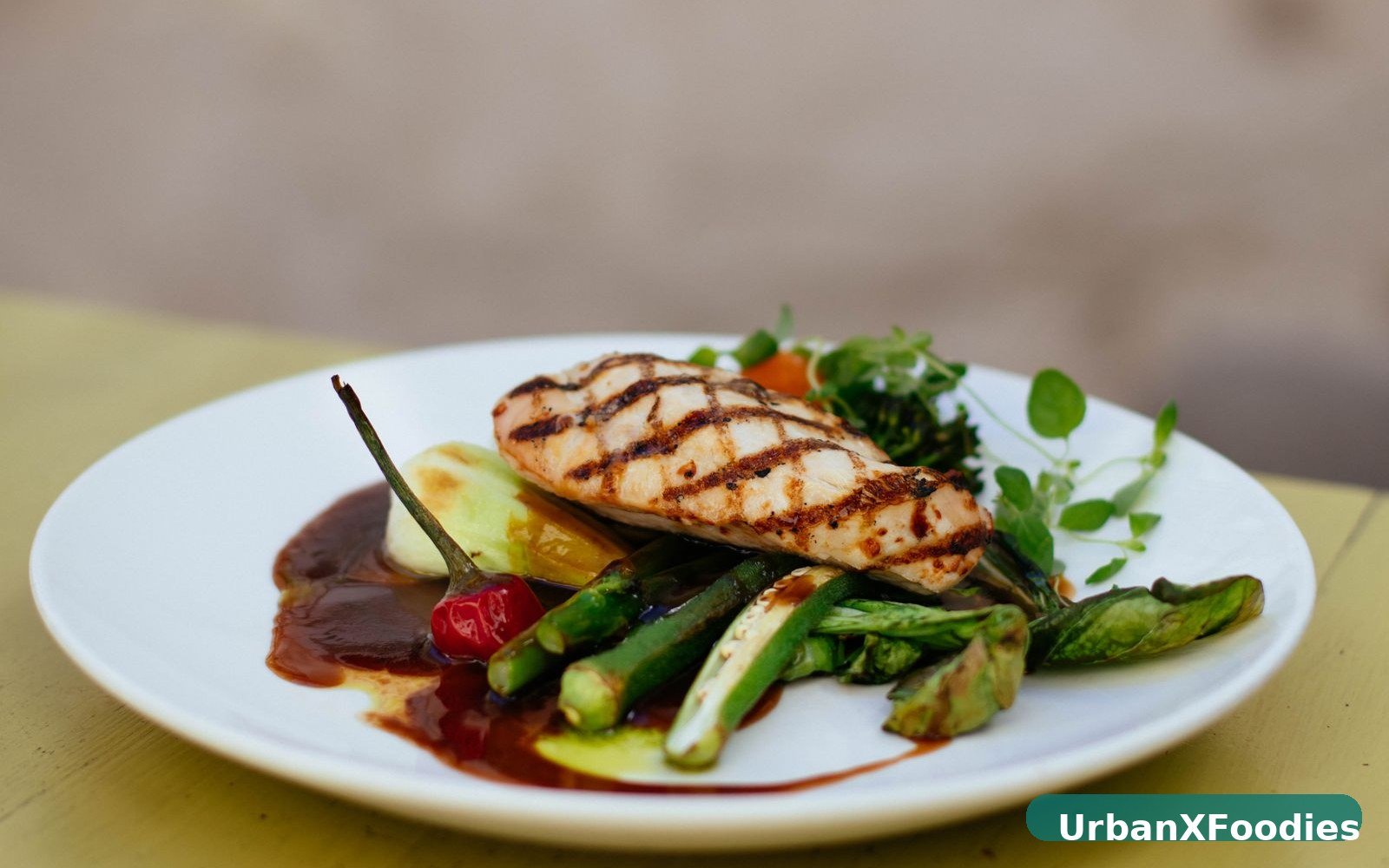
There is a certain kind of weeknight dinner that I come back to again and again, and it never involves a bag of breadcrumbs, a bowl of beaten egg, or a pan of oil spitting all over the stove. It is just chicken, cooked well, with a little seasoning and a sauce or a squeeze of lemon to finish it off. When people hear the words easy chicken recipes without breading, they sometimes assume the result will be plain or a bit dry, but in my kitchen the opposite has always been true. Without a coating to hide behind, the chicken itself has to taste good, and that is exactly why these meals work so well. You season it properly, you cook it over the right heat, and you let it rest for a few minutes, and what lands on the plate is juicy, golden, and full of real flavour.
I first started cooking chicken this way out of pure laziness, if I am being honest. After a long day, the thought of setting up a breading station, flour on one plate, egg in a bowl, crumbs everywhere, and then washing it all up afterwards, felt like far too much effort for a Tuesday. So I skipped it. I seasoned a couple of chicken breasts with salt, pepper, garlic powder, and paprika, seared them in a hot pan with a little olive oil, and finished them with butter, garlic, and lemon. Dinner was ready in twenty minutes, there was one pan to wash, and everyone at the table asked for the recipe. That night changed how I cook chicken during the week, and I have rarely looked back since.
The beauty of cooking without breading is that it keeps things flexible. The same basic method works for chicken breasts, thighs, and tenderloins, and it adapts to whatever you already have in the fridge. A jar of pesto, a tin of chopped tomatoes, a handful of spinach, or a splash of cream can turn the same seared chicken into a completely different dinner. You are not locked into one flavour, and you are not stuck with a heavy, greasy coating when you fancy something lighter. It is also a kinder way to cook if you are watching carbs or gluten, or if you simply prefer food that tastes fresh rather than fried.
In this guide, I am sharing the approach I actually use at home, along with one dependable base recipe you can learn once and then change a dozen ways. We will talk about choosing the right cut, seasoning it with confidence, getting that lovely golden colour without a crust, and knowing exactly when the chicken is done. Along the way, you will find practical tips that save you from the two most common problems, dry chicken and a pan full of burnt bits, plus plenty of serving ideas so dinner never feels repetitive. If you love the idea of simple chicken recipes that still feel like a proper meal, you are in the right place.
Why You Will Love This Recipe
First of all, it is fast. From fridge to plate, the base recipe takes about twenty-five minutes, and most of that time is hands-off while the chicken cooks. There is no waiting for oil to heat to a precise temperature, no coating to set, and no second round of frying. You season, you sear, you make a quick pan sauce, and you sit down to eat while the food is still hot. On nights when everyone is hungry and patience is thin, that speed matters more than anything fancy.
Second, it is genuinely healthier without feeling like a compromise. Skipping the breading means skipping a good deal of refined flour and absorbed frying oil, and it leaves room on the plate for vegetables, salad, or a proper side that you actually enjoy. The chicken stays lean and high in protein, and because the flavour comes from herbs, garlic, citrus, and a good pan sauce rather than a thick crust, the meal tastes bright and satisfying instead of heavy. It is the kind of dinner that leaves you comfortably full rather than weighed down.
Third, cleanup is almost laughably easy. One pan, one cutting board, and a couple of utensils are usually all you need. Anyone who has cleaned up after breaded chicken knows the trail of flour on the worktop and the greasy splatter on the hob, and once you have tasted how good unbreaded chicken can be, that mess feels hard to justify on a regular weeknight. This is everyday cooking at its best, and it is why so many of my favourite pantry chicken dinners follow the same simple pattern.
- Ready in about 25 minutes, with only one pan to wash up afterwards.
- Juicy, golden chicken with real flavour from seasoning and a quick pan sauce.
- No breadcrumbs, no deep frying, and no special equipment needed.
- Works with breasts, thighs, or tenderloins, and suits gluten-free and low-carb tables.
- Endlessly adaptable, from lemon herb to garlic butter to creamy tomato versions.
Ingredients You Will Need
The ingredient list is deliberately short, because this recipe is meant to be something you can make without a special shopping trip. Good chicken, a few pantry seasonings, and one or two fresh touches at the end are all it takes. If your chicken breasts are very thick, it is worth flattening them slightly or slicing them in half lengthways so they cook evenly, and that one small step makes a bigger difference than any fancy marinade. Here is what I use for four servings, and you can scale it up or down easily.
- 4 boneless, skinless chicken breasts, about 150 to 180 grams each
- 1 teaspoon fine sea salt, plus a little extra to taste
- 1/2 teaspoon freshly ground black pepper
- 1 teaspoon sweet paprika
- 1 teaspoon garlic powder
- 1/2 teaspoon dried oregano or Italian seasoning
- 2 tablespoons olive oil
- 2 tablespoons butter
- 3 garlic cloves, thinly sliced
- Juice of half a lemon, plus wedges to serve
- A small handful of fresh parsley, chopped, for finishing
- Optional: 120 millilitres chicken stock for a quick pan sauce
If you prefer thighs, use the same seasonings and simply allow a few extra minutes of cooking time. Thighs are more forgiving than breasts, which makes them a wonderful choice if you are still building confidence with chicken, and they stay juicy even if you get distracted for a minute or two. Either way, bring the chicken out of the fridge about fifteen minutes before cooking so it is not ice cold when it hits the pan, and pat it dry with kitchen paper so the surface can brown properly.
How to Make Easy Chicken Recipes Without Breading
The method below is the one I teach friends when they say their chicken always turns out dry. It is not complicated, but the order matters, and the resting time at the end is not optional. A hot pan, chicken that is not crowded, and a thermometer or a simple visual check will get you a better result than any coating ever could. Once you have made it this way a couple of times, you will start doing it by feel, and that is when weeknight cooking becomes genuinely enjoyable rather than stressful.
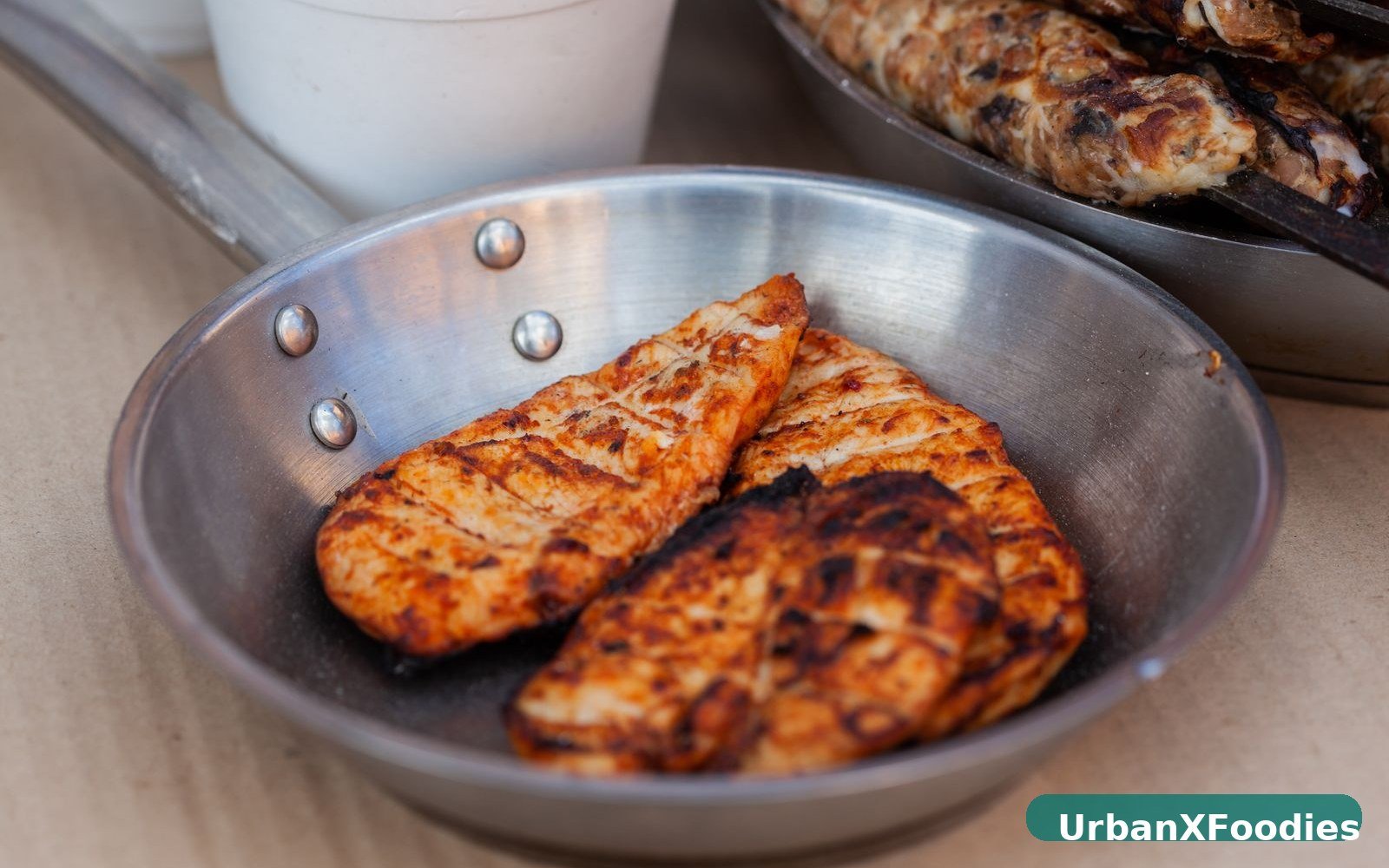
- Prepare the chicken. If the breasts are uneven, place each one between two sheets of baking paper and flatten the thick end gently with a rolling pin or the flat side of a meat mallet until the thickness is fairly even. Pat dry, then season all over with the salt, pepper, paprika, garlic powder, and oregano.
- Heat the pan. Warm the olive oil in a large skillet over medium-high heat until it shimmers but does not smoke. A pan that is too cool will steam the chicken instead of searing it, while a pan that is far too hot will burn the seasoning before the middle is cooked.
- Sear the first side. Lay the chicken in the pan without crowding it, leaving a little space between pieces, and leave it completely alone for five to six minutes. Resist the urge to move it around. When it is ready, it will release easily and show a deep golden colour underneath.
- Flip and finish. Turn the chicken over, reduce the heat to medium, and cook for another five to seven minutes, depending on thickness, until the juices run clear and the thickest part reaches 74 degrees Celsius on a meat thermometer. If you do not have a thermometer, cut into the thickest piece and check that there is no pink left.
- Make the pan sauce. Move the chicken to a warm plate and keep it loosely covered. Add the butter to the same pan, let it melt, and stir in the sliced garlic for about thirty seconds until fragrant. Pour in the lemon juice and chicken stock if using, and scrape up the browned bits from the bottom of the pan as the sauce bubbles for one to two minutes.
- Rest and serve. Spoon the pan sauce over the chicken, scatter over the parsley, and let the chicken rest for five minutes before slicing. Resting lets the juices settle back into the meat instead of running out onto the board, and it is the single easiest way to keep chicken moist.
That resting step deserves repeating, because it is the one people skip most often and regret most quickly. Five minutes feels like a long time when dinner is ready and everyone is hungry, but it is the difference between chicken that is juicy all the way through and chicken that dries out on the plate. Use those five minutes to warm the plates, toss a salad, or put the vegetables into a serving dish, and by the time you sit down, the chicken will be perfect. For more guidance on cooking times and safe temperatures, chicken as food is a useful background read, and the BBC Good Food chicken breast collection offers plenty of further inspiration.
Tips for Juicy, Golden Chicken Every Time
The most common mistake with unbreaded chicken is cooking it straight from the fridge in a pan that is not hot enough, which gives you pale, rubbery meat that sticks and tears. Pat the chicken dry, let it come closer to room temperature, and give the pan a proper minute or two to heat up before the chicken goes in. You should hear a confident sizzle the moment it touches the oil. If you hear nothing, the pan is too cool, and it is better to lift the chicken out and wait than to let it sit and steam.
Do not crowd the pan. If four breasts are squeezed together, they will release moisture and stew rather than sear, and you will lose that golden colour entirely. Cook in two batches if your pan is small, keeping the first batch warm under foil while the second cooks, and the whole meal will still be ready in good time. Similarly, once the chicken is in the pan, leave it alone. Constant poking and flipping stops the surface from browning and makes the meat tougher, so trust the timing and flip only once.
Finally, season generously and taste the sauce before serving. Chicken without a coating needs seasoning to carry the flavour, so do not be shy with the salt and spices, and remember that the pan sauce can always be adjusted with an extra squeeze of lemon, a pinch of salt, or a knob of butter. If you are cooking chicken breast without an oven, this stovetop method is exactly the one to rely on, because everything happens in one pan and the sauce is built from the flavour left behind.
Variations to Try Next
Once the base recipe feels familiar, the variations almost write themselves. For a Mediterranean version, add a handful of cherry tomatoes, a few olives, and a crumble of feta to the pan during the last few minutes, and finish with oregano and lemon. For a creamy version, stir a splash of double cream and a spoonful of Dijon mustard into the pan sauce and let it bubble gently until it thickens slightly. For something with a bit of warmth, swap the paprika for smoked paprika and add a pinch of chilli flakes with the garlic.
Another favourite in our house is a simple herb and garlic butter version, where the chicken is finished with plenty of butter, garlic, and chopped parsley, and served over mashed potatoes so the sauce soaks in. In summer, I skip the pan sauce altogether and serve the sliced chicken over a big salad with tomatoes, cucumber, and a lemon dressing, which turns the same recipe into a light lunch. The method stays the same, only the finishing touches change, and that is what makes it so useful for busy cooks who do not want to learn a new recipe every night.
If you enjoy the air fryer as well, you will find that many of the same seasonings work beautifully there too, and chicken thighs without breading in the air fryer is a lovely next step when you fancy a slightly crisper edge without any coating at all.
Serving Ideas

Because the chicken itself is fairly light, it pairs well with almost anything, and I tend to choose the side based on how much time I have. On the quickest nights, it is rice or warm flatbread with a simple green salad and the pan sauce spooned over everything. When I have a little more time, roasted potatoes, buttered green beans, or a tray of Mediterranean vegetables make the meal feel more complete, and the chicken slices beautifully over pasta tossed with olive oil and parmesan.
For a lighter plate, try steamed broccoli, sauteed spinach with garlic, or a crunchy coleslaw, all of which balance the richness of the butter sauce without adding much work. Leftovers, if you have any, are wonderful sliced cold over salad the next day, tucked into a wrap with lettuce and a smear of hummus, or chopped into a grain bowl. The chicken keeps its flavour well, which is one more reason to cook an extra piece or two while the pan is already hot.
Storage and Make-Ahead Tips
Cooked chicken keeps in the fridge for three to four days in a sealed container, and it is best to store it with any leftover pan sauce so it does not dry out. Let it cool to room temperature within two hours of cooking, slice it only when you are ready to use it if you can, and reheat it gently in a covered pan with a splash of stock or water rather than blasting it in the microwave until it turns rubbery. For freezing, wrap portions tightly and freeze for up to three months, then thaw overnight in the fridge before reheating.
You can also get ahead by seasoning the raw chicken the night before and keeping it covered in the fridge, which deepens the flavour and saves a step on a busy evening. Just remember to bring it back towards room temperature before cooking and to use it within a day or two. Marinating is another easy make-ahead option: olive oil, lemon, garlic, and herbs for a few hours will make the chicken even more tender, and it works particularly well if you are planning to slice it for salads or wraps later in the week.
Frequently Asked Questions
Can I make chicken without breading and still get a crispy texture?
You can get a beautifully golden, slightly crisped surface without any coating, as long as the chicken is dry, the pan is hot, and you do not move the chicken until it has browned. It will not be crunchy like fried chicken, but the seared edges and the caramelised seasoning give a satisfying texture, and finishing with a pan sauce adds richness without heaviness. If you want extra crispness, try skin-on thighs or a turn in the air fryer.
How do I know when chicken without breading is fully cooked?
The safest check is a meat thermometer inserted into the thickest part, which should read 74 degrees Celsius. Without a thermometer, cut into the thickest piece and look for clear juices and no pink meat in the centre. The chicken should also feel firm rather than soft and squishy when pressed gently. Always let it rest for five minutes after cooking, as the temperature rises slightly and the juices settle.
Is chicken without breading better for a gluten-free diet?
Yes, as long as you check your seasonings and any stock you use, since most spice blends and plain chicken stock are naturally gluten-free. Skipping breadcrumbs removes the main source of gluten in many chicken recipes, which makes this approach an easy choice for gluten-free tables. Just double-check labels on spice mixes and sauces if you are cooking for someone with coeliac disease.
Can I use frozen chicken breasts for this recipe?
You can, but you must thaw them fully first, preferably overnight in the fridge, and then pat them very dry before seasoning. Cooking chicken from frozen in a pan leads to uneven cooking, with the outside overdone before the middle is safe to eat. Once thawed, the method is exactly the same, and thighs are a good alternative if you are short on thawing time.
What is the best pan for cooking chicken without breading?
A heavy skillet, such as cast iron or stainless steel, gives the best sear because it holds its heat well. Non-stick pans work too, but they tend to brown less deeply, so you may need slightly higher heat and a little patience. Whichever pan you use, avoid overcrowding it, and choose one large enough that the chicken pieces have space around them.


Pingback: 3 Ingredient Chicken Dinner Ideas: Easy, Delicious Meals for Busy Nights – UrbanXFoodies
Pingback: Chicken Skillet Recipes Without Oven: Easy One-Pan Meals for Busy Days – UrbanXFoodies
Pingback: Chicken Thighs Without Breading in Air Fryer: Juicy, Crispy, and Easy – UrbanXFoodies
Pingback: Air Fryer Chicken Tenders Without Breadcrumbs: Crispy, Juicy, and Easy – UrbanXFoodies